
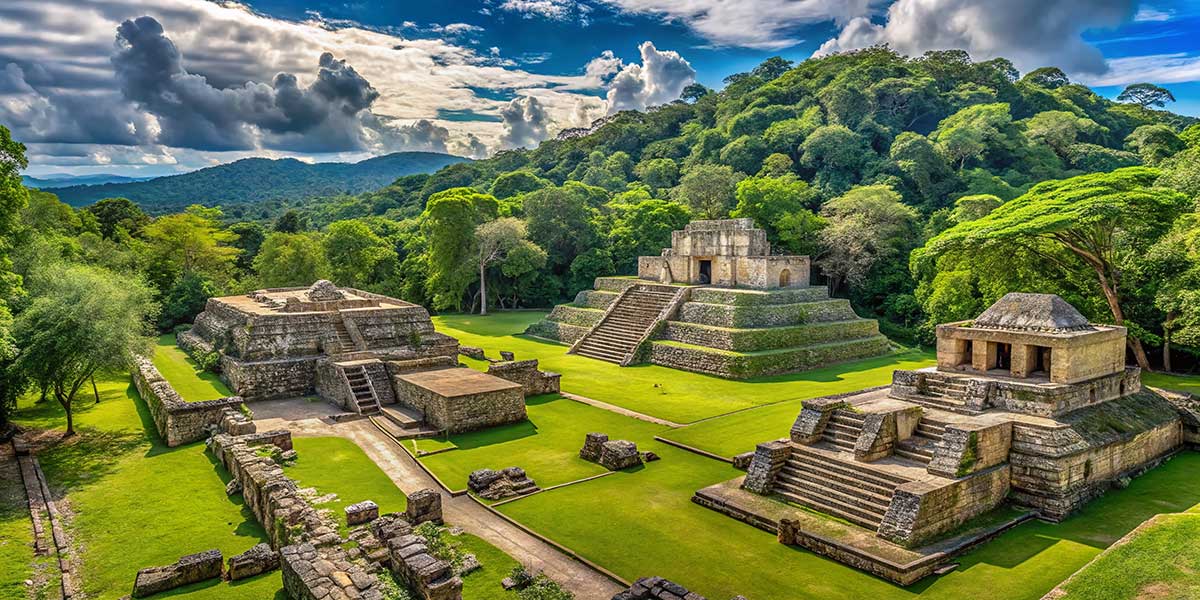
The legacy that is still alive!
Traveling the Mayan Route is much more than a journey through the remains of one of the most enigmatic ancient civilizations. It is an immersive experience through living jungles, subterranean cities, turquoise coasts, steaming volcanoes, sacred lakes, vibrant markets, and villages where time is measured by solar cycles and ancestors still speak through corn and jade.
Located in the heart of Mesoamerica, the Mayan Route spans five modern countries — Mexico, Belize, Guatemala, Honduras, and El Salvador — and covers an area that was once the empire of one of the most sophisticated pre-Columbian cultures. Today, this circuit is a map of unforgettable destinations where archaeology, biodiversity, gastronomy, sustainable luxury, and living cultures interweave to offer travelers a transformative experience.
Mexico: The Celestial Gateway to the Mayan World
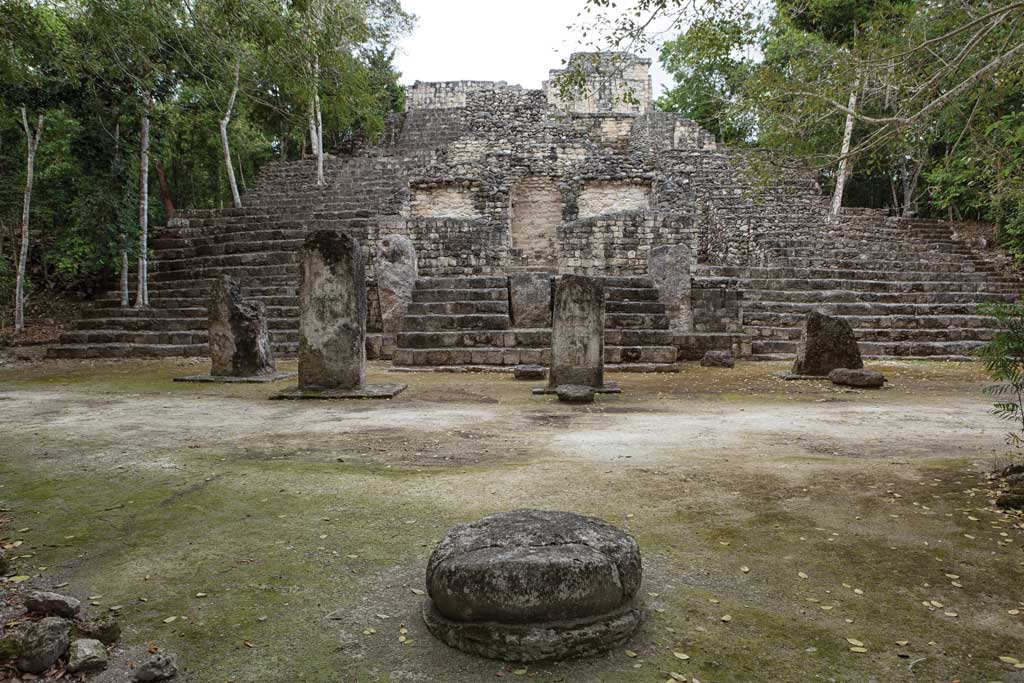
For many, the Yucatán Peninsula is the starting point of the Mayan Route. From popular destinations like Cancún, Playa del Carmen, and Tulum, where the Caribbean meets ancient ruins, to lesser-known places like Ek Balam, Calakmul, and Dzibilchaltún, Mexico offers an impressive introduction.
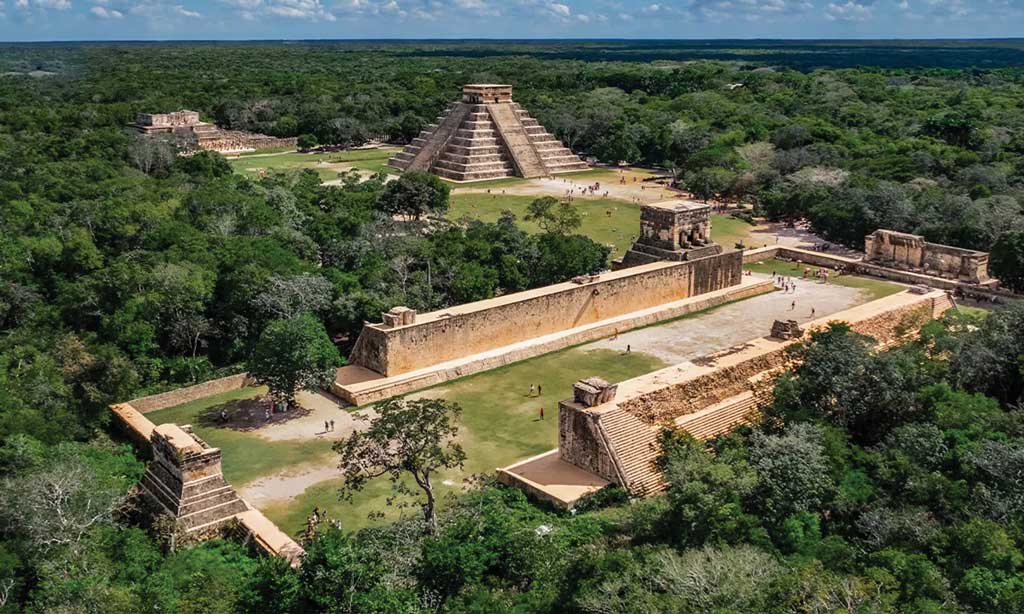
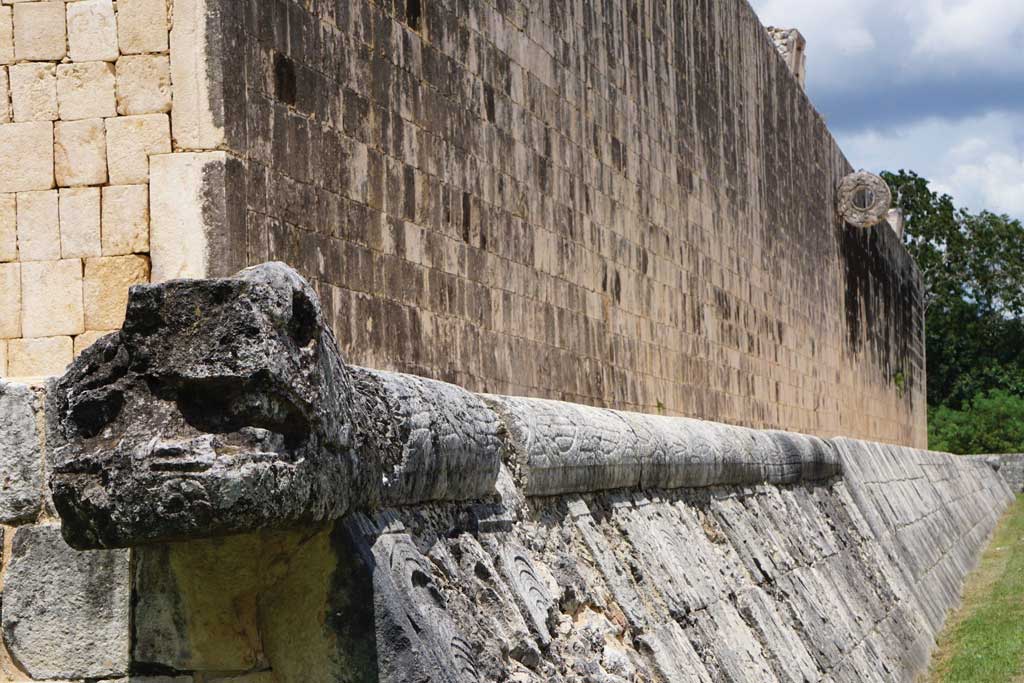
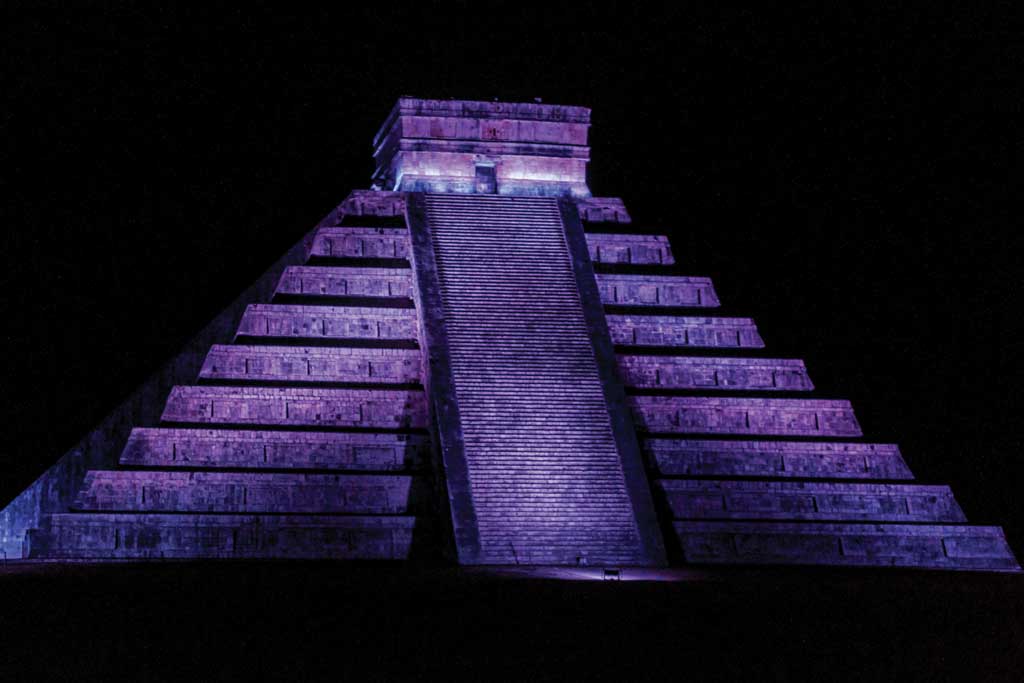
Chichen Itza, a UNESCO World Heritage Site and one of the New Seven Wonders of the World, welcomes millions of visitors each year. Its Pyramid of Kukulkan is the site of an extraordinary solar spectacle every equinox, when the serpent god seems to descend from the sky. But the Yucatán has more to offer: its blue-water cenotes, considered portals to the underworld by the ancient Maya, are perfect for swimming, reflection, and artistic photography.
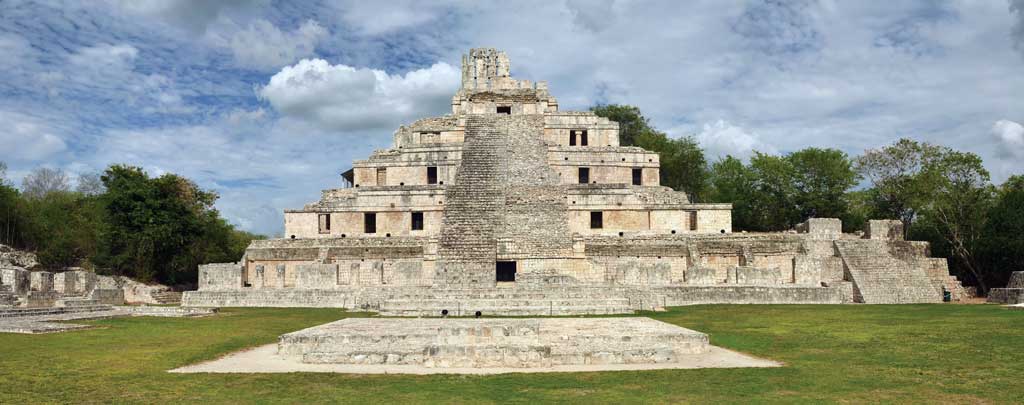
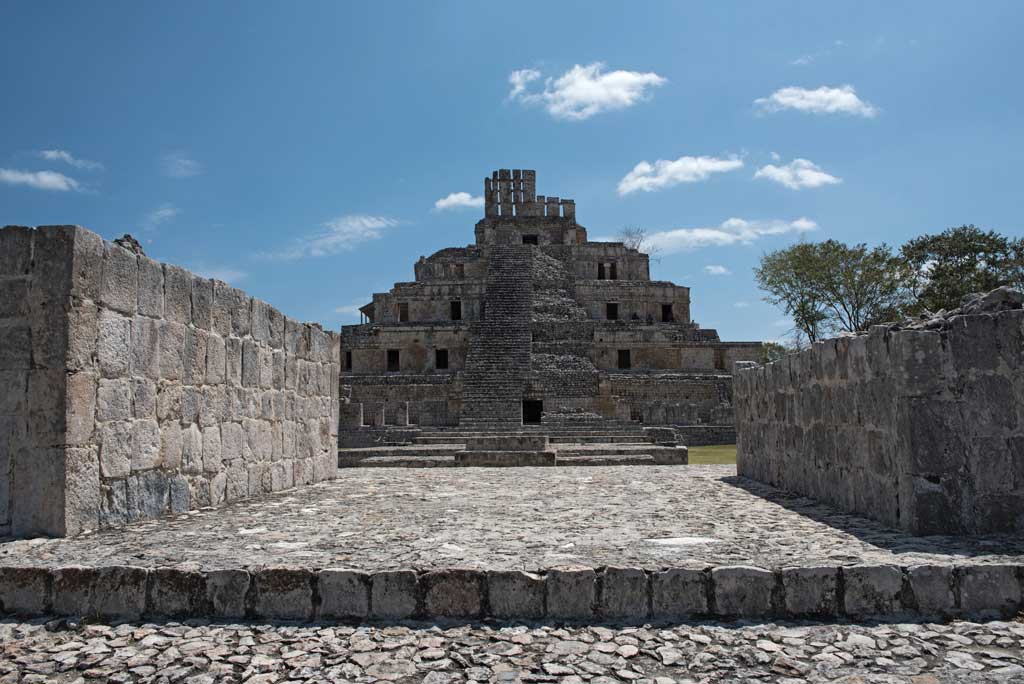
On the Gulf coast, Campeche shelters walled cities and archeological sites, such as Edzná and Balamkú, hidden in the jungle. Quintana Roo not only offers dream beaches but also the Sian Ka'an Biosphere Reserve, a natural paradise of mangroves, jaguars, and dolphins.
Belize: The Hidden Treasure of the Mayan Caribbean
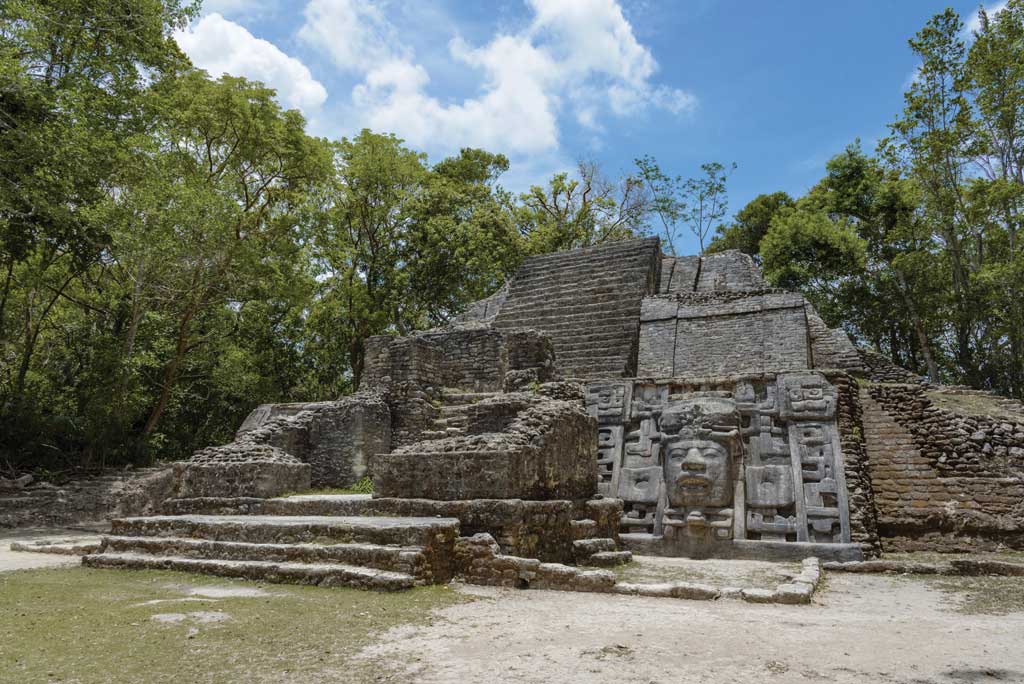
Though small in size, Belize is immense in natural and cultural wealth. It is a jewel for those seeking the unexpected. Its coastline is home to the second largest barrier reef in the world, stretching 186 miles, and is perfect for advanced diving and snorkeling. Inland, Mayan history is strong in sites such as Caracol, which is larger than the present-day city of Belmopan, Lamanai, and Xunantunich. There, jungles hide temples covered by centuries of tropical vegetation.
The Cayo District, near the Guatemalan border, is an ideal region for luxury ecotourism. There are lodges nestled in the jungle and adventures in caves, such as Actun Tunichil Muknal, a sort of subway cathedral with intact offerings. There are also kayaking routes that cross ancient Mayan river paths. Additionally, Belize is the only country in the region where English is the official language.
Guatemala: The Spiritual Heart
Few places in the world can offer the living mystique that Guatemala exudes. Tikal, with its temples emerging like stone giants from the morning mist, is arguably the most iconic archaeological site on the Mayan Route. But it is not the only one. Uaxactún, El Mirador, and Yaxhá form a constellation of city-states that dominated the region for centuries.
The Guatemalan Altiplano also offers a glimpse into the present-day Maya culture. More than five million people speak one of the 22 original Mayan languages, and ancestral ceremonies are still held in markets, colonial churches, and natural altars.
Chichicastenango, with its explosion of colors, aromas, and rites, is a must-see. So is Lake Atitlan, a blue mirror surrounded by volcanoes and towns such as Santiago, San Juan, and San Marcos, where religious syncretism coexists with community tourism projects.
Antigua Guatemala, a baroque jewel of the colonial era, is another must-see. Its cobblestone streets, ruined convents, and exquisite cuisine have made this city one of the most charming destinations in Latin America.
Honduras: Copán, the Athens of the New World
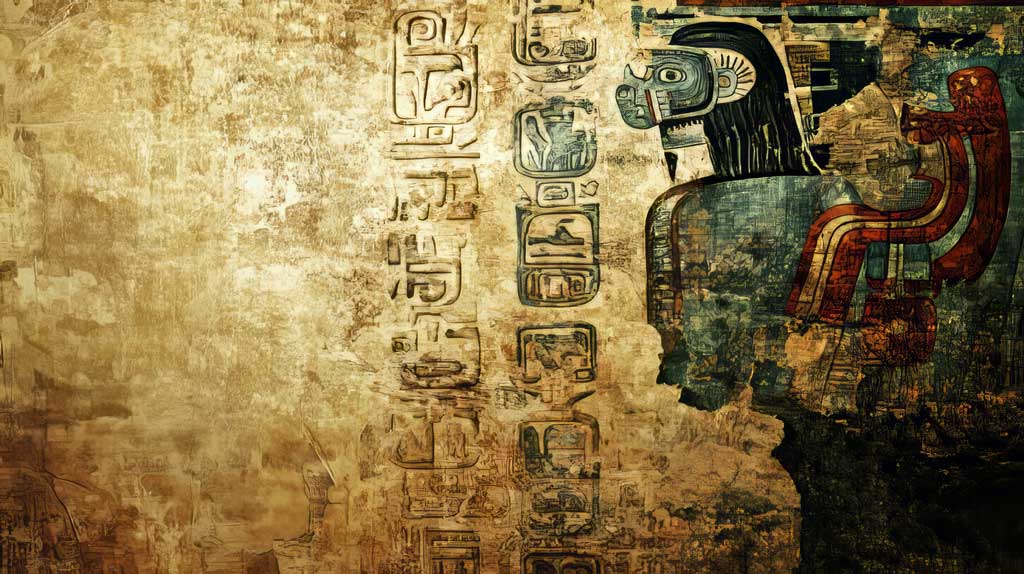
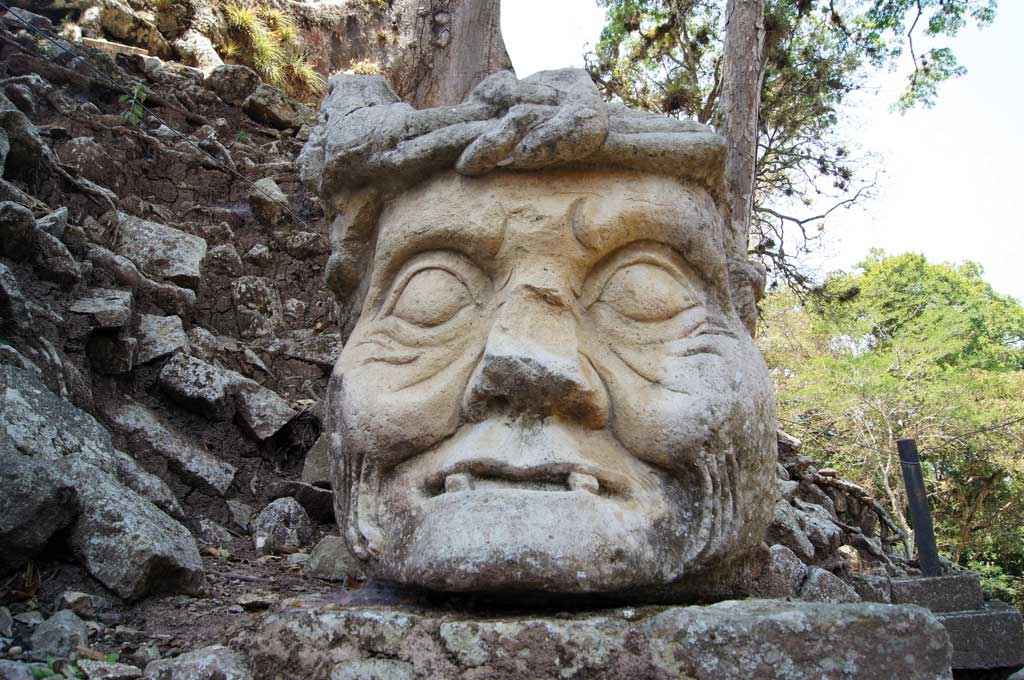
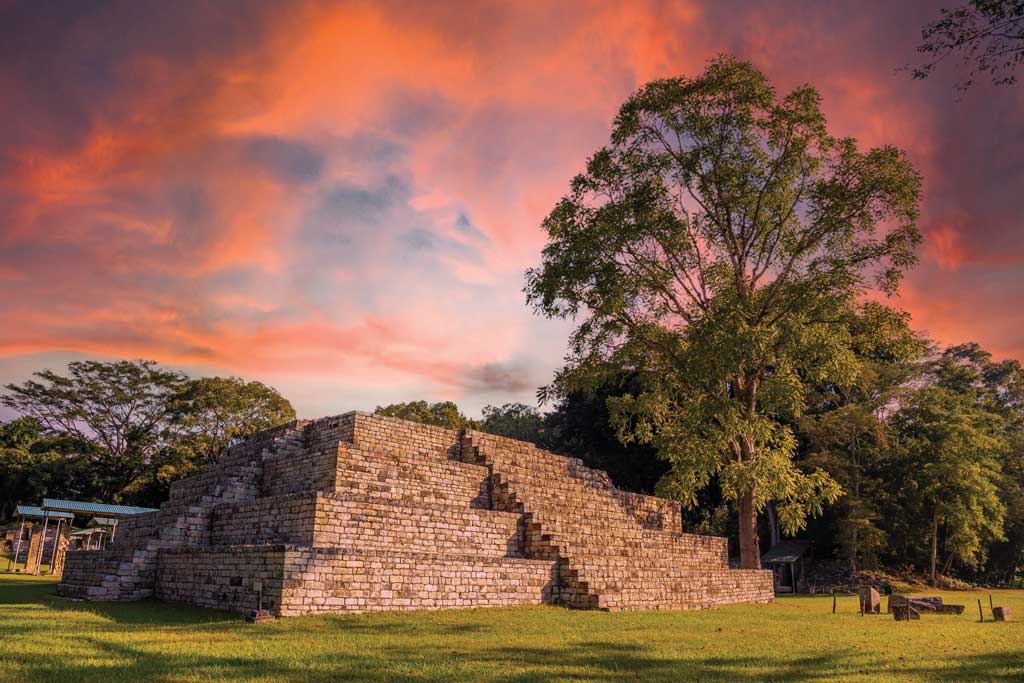
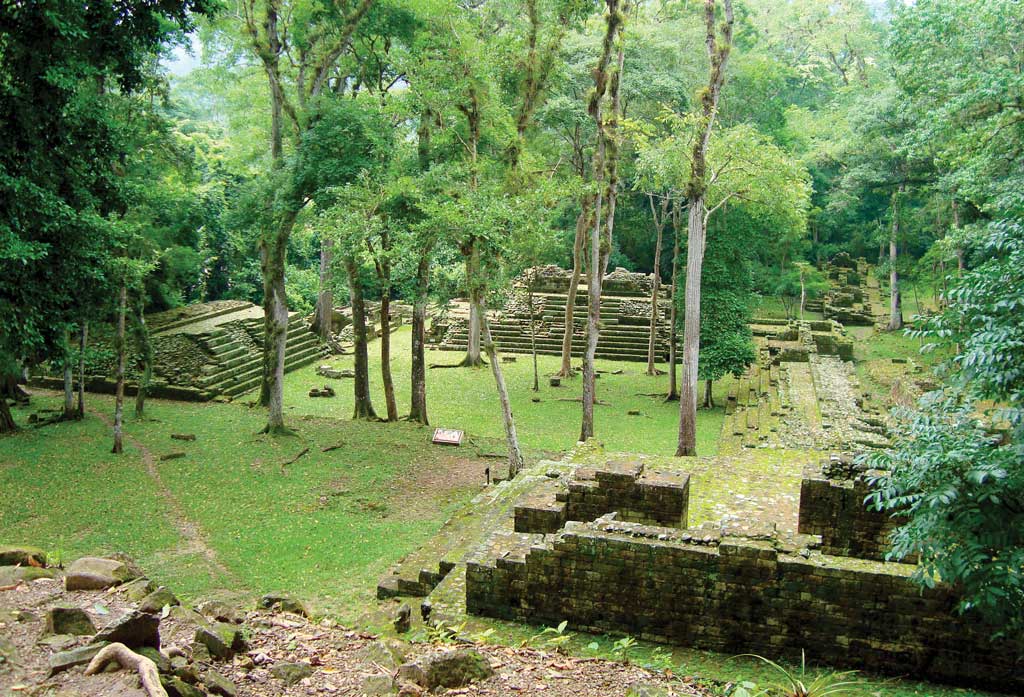
Although Honduras is not usually at the top of tourist lists in the region, those who visit Copán discover one of the greatest treasures of the Mayan Route. Famous for its carved stele, Hieroglyphic Stairway, and astronomical precision, Copán was an unparalleled intellectual and artistic center.
This archaeological site is ideal for those who love details: here, the Maya took sculptural art to its maximum expression. Walking among its buildings is like entering an open-air museum, accompanied by macaws flying freely overhead as a symbol of cultural reforestation.
The town of Copán Ruinas, a short distance away, offers boutique lodging, signature restaurants, and coffee routes that complement the experience. Further north, the Bay Islands — Roatán, Utila, and Guanaja — offer Caribbean relaxation with pristine beaches and clear seas for snorkeling and private sailing.
El Salvador: Between Rivers of Lava and Earth Temples
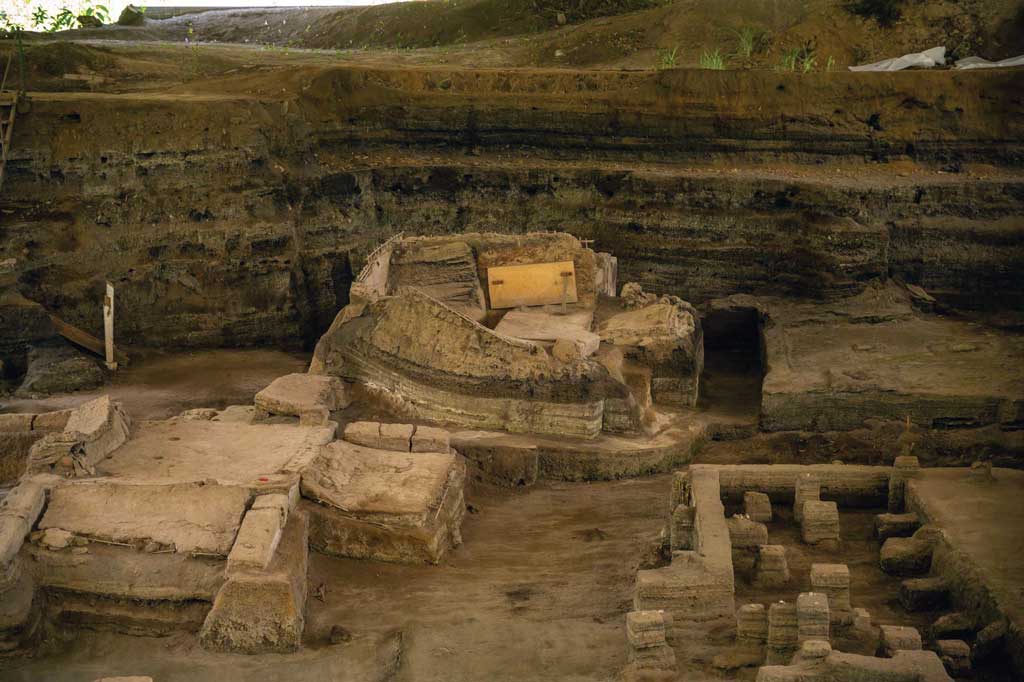
Though smaller in size, El Salvador is home to Mayan sites of great symbolic and historical value. Joya de Cerén, known as the "Pompeii of the Americas," is a pre-Hispanic settlement buried by the eruption of the Laguna Caldera volcano in the seventh century. It is so well-preserved that it offers a glimpse into the daily lives of the common Maya.
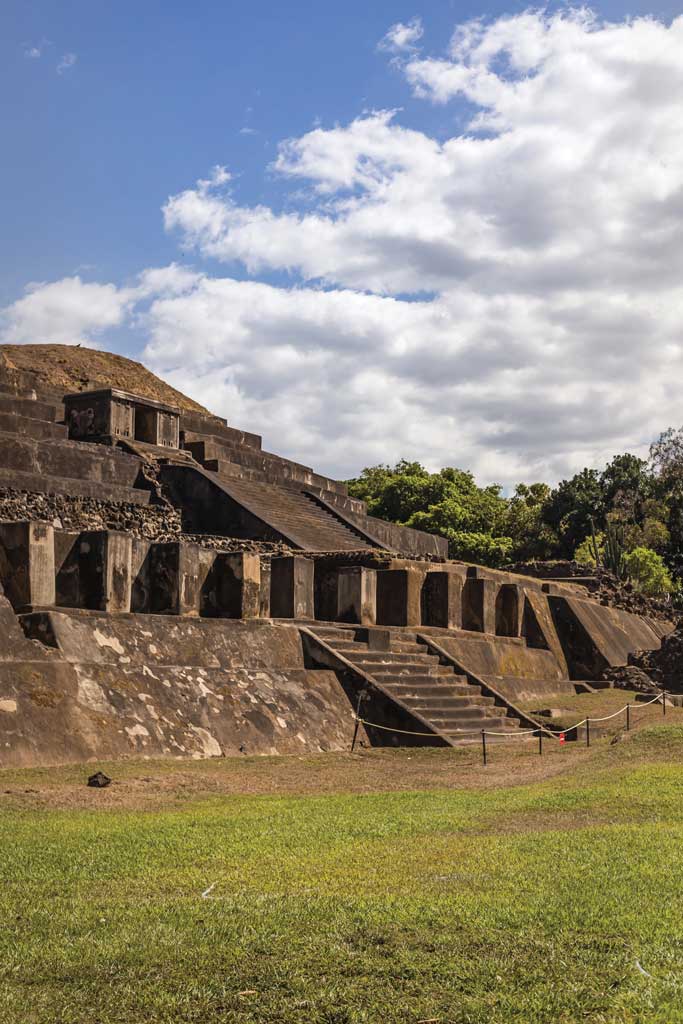
The ceremonial site of Tazumal in Chalchuapa and the ruins of San Andrés complete the archaeological circuit. El Salvador also has volcanic beaches that are ideal for surfing, such as El Tunco and El Zonte. There are also mountain routes with colonial towns such as Suchitoto, where time seems to have stopped.
El Salvador offers a lesser-known facet of Mayan culture that is more intimate and focused on the inhabitants than the rulers. Its human warmth will make you fall in love.
One route, many lives
The Mayan Route is not a straight line or rigid itinerary; it is a living network of paths connecting the past and present. Travelers can experience it in stages by air, land, or river, enjoying sustainable luxury or adventurous exploration. Many travelers experience it as a pilgrimage to the origins, while others experience it as an aesthetic journey or a spiritual quest.
Beyond the pyramids and glyphs, the soul of a people who continue to dance with the sun, plant corn, carve wood, embroider stories, and welcome visitors with open arms unites this route.
Those who travel the Mayan Route do not return the same. They return with something lit in their hearts as if the sacred fire of the ancients still burns in a secret corner of their souls.
Text: Amura ± Photo: Cancun Adventures, Deposit Photos, Tierra Mayas, El Salvador Travel