
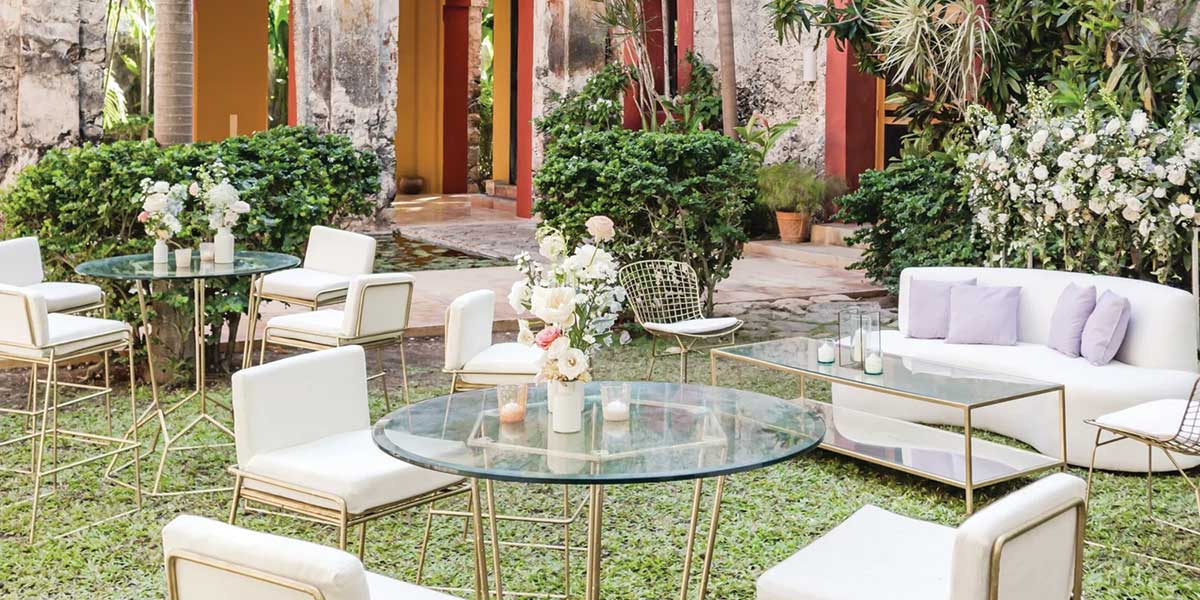
The dining experience on the Mayan Route is a ceremonial act. In this special edition of Amura Yachts & Lifestyle, we celebrate cuisine as heritage, art, ritual, and pleasure.
In the heart of Mexico's southeast region, surrounded by stone temples, lush jungles, and the perpetual whisper of cenotes, a culinary revolution is flourishing that honors the past. Maya cuisine is experiencing a resurgence today, reinterpreted by visionary chefs who elevate sacred ingredients – corn, cacao, and chile – to the level of international gastronomy.
From Mexico City's kitchens to luxury retreats on the Yucatán Peninsula, chefs like Jorge Vallejo at Quintonil and Elena Reygadas at Rosetta, both in the capital, and Roberto Solís at Néctar in Mérida bring Maya flavors to the table. Their dishes combine technical precision with ancestral narrative.
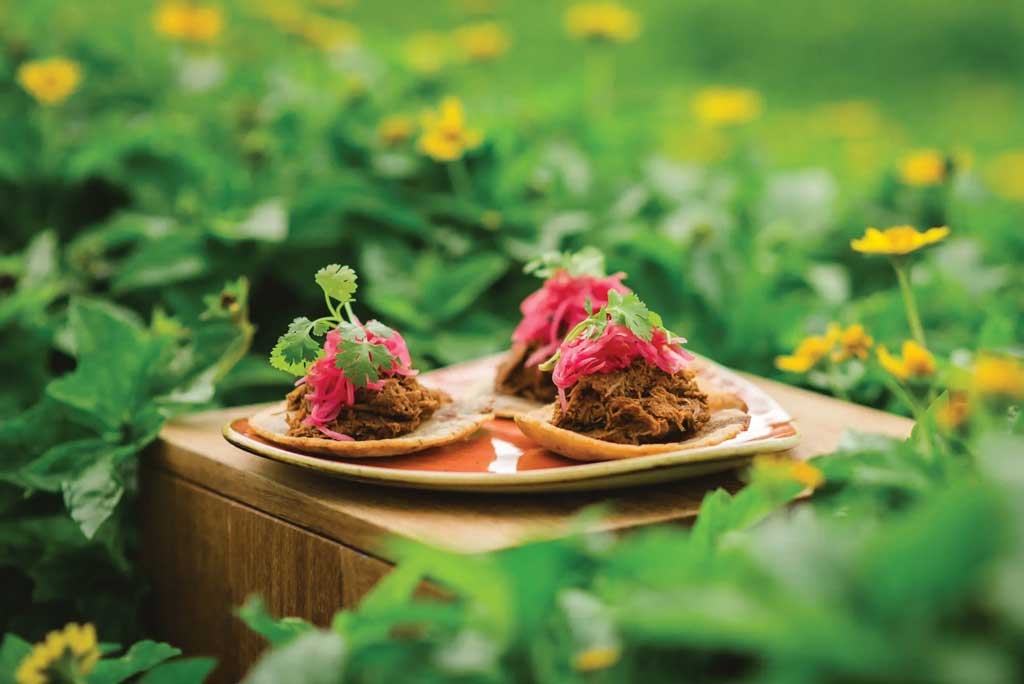
At Quintonil, Tabasco criollo cacao is emulsified with beef lard and served with worm salt and black corn tostadas. At Néctar, habanero chili becomes an ethereal foam atop a slow-cooked lechón pelón taco. In Rosetta's tasting menus, fermented pozolero corn is the star of a risotto perfumed with hoja santa and quelites sprouts.
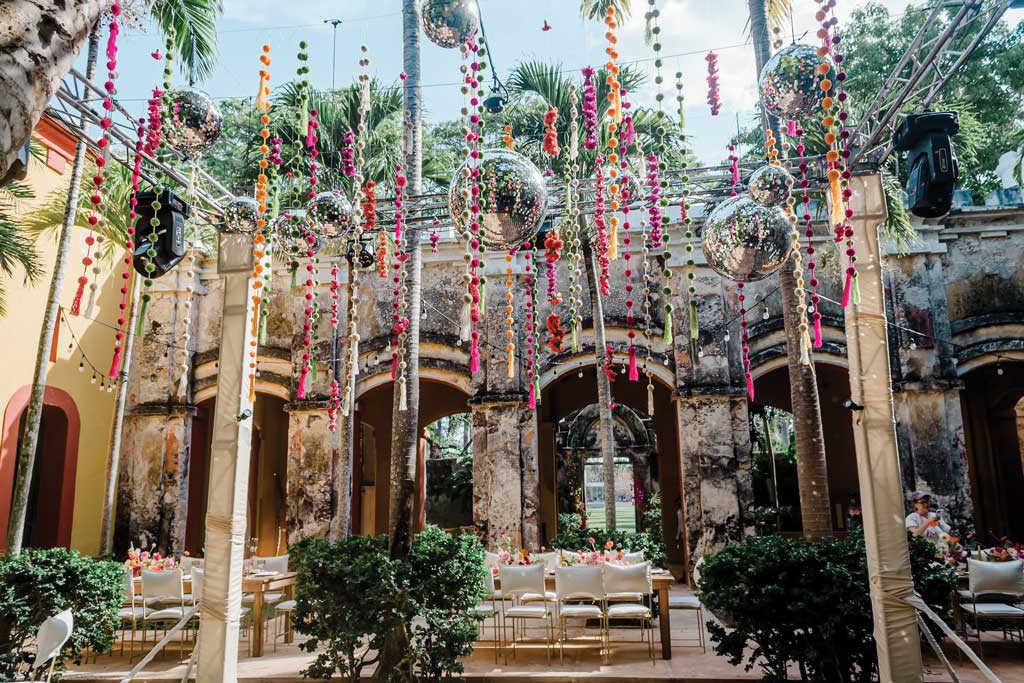
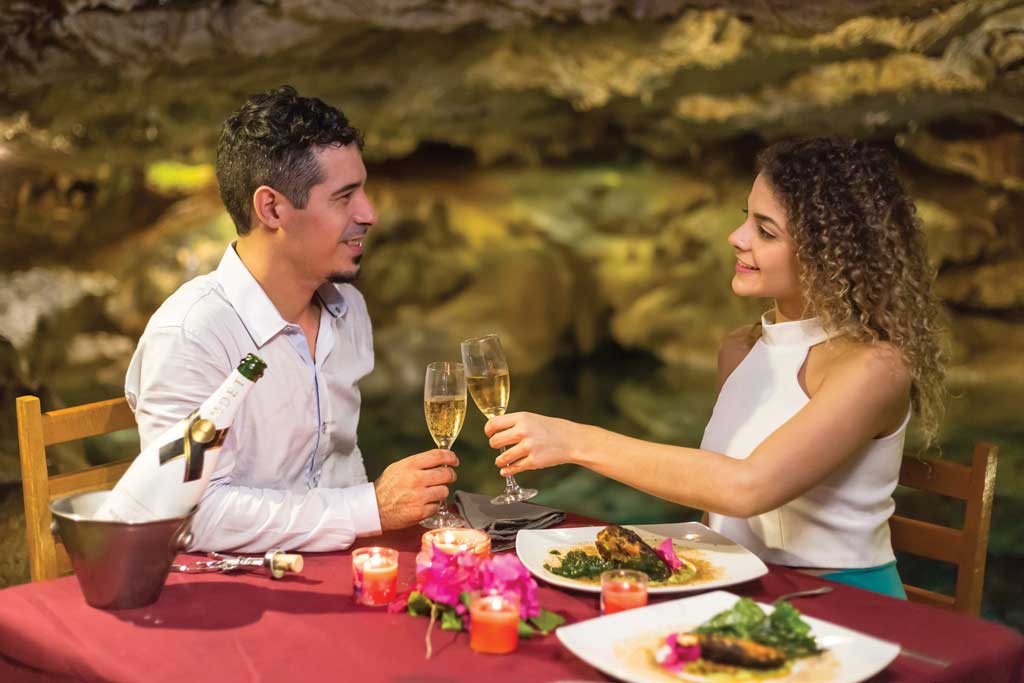
Dinner under the stars transforms the flavor of the environment
The Mayan Route offers sensory experiences and intimate dinners in natural settings, inviting you to rediscover the origins of flavor. Enjoy tamales cooked in an earth oven and cocktails made with Xtabentún, chaya juice, and citrus foams.
Projects like Cenote San Ignacio redefine haute cuisine by integrating it with the natural and spiritual environment. Each ingredient is given context: Melipona honey not only sweetens but also tells the story of symbiosis, and achiote not only adds color but also identity.
At places like Hacienda Sac Chich and Casa Lecanda, you can book a custom gastronomic experience with resident chefs who reinterpret traditional recipes with a contemporary twist.
These experiences often include exceptional pairings, such as boutique labels of high-altitude Mexican wines and exclusive selections of Agave angustifolia mezcals distilled in clay. It is not just a culinary experience, but a holistic one. It is a ceremony in which the diner becomes part of a rite connecting earth, fire, water, and air.
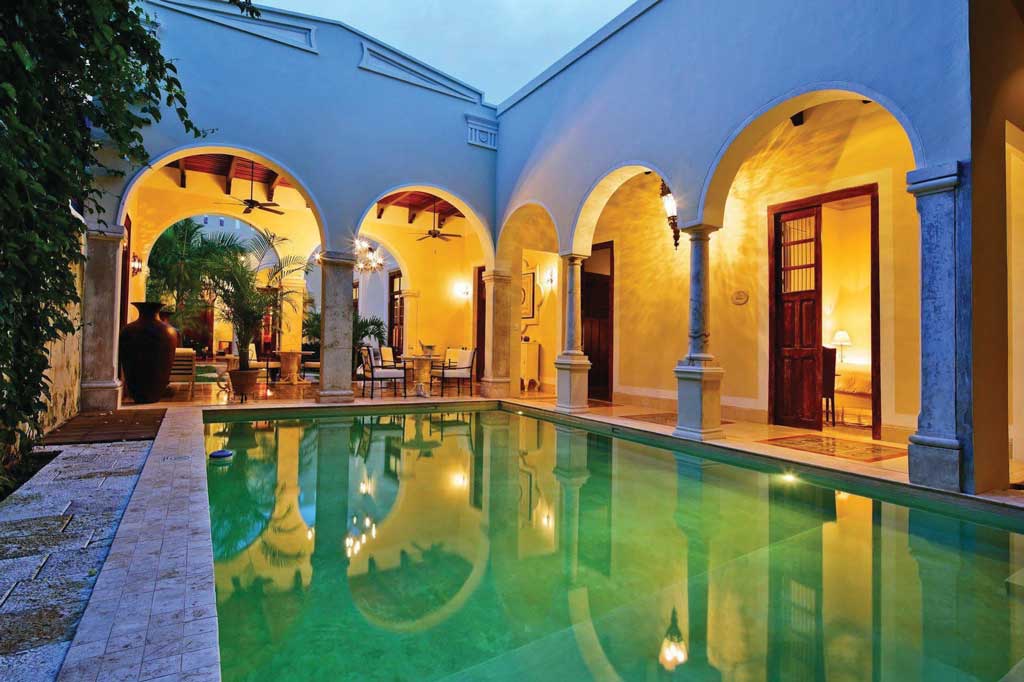
At the most luxurious wellness retreats in the southeast, such as Chablé Yucatán, Casa Chablé, and Coqui Coqui Valladolid, ancestral cuisine intertwines with spirituality and self-care. Here, the milpa's ingredients nourish, cleanse, heal, and revitalize the body.
The experience is completed with temazcal baths, guided meditations with ceremonial cacao, and moments of contemplation in spaces designed to reconnect you with the rich history of Maya culture.
A contemporary vision with ancestral roots
This renaissance is not limited to Mexico; it also encompasses the fertile lands of Belize, Guatemala, and El Salvador.
Belize: Caribe Maya. The fusion of Mayan and Afro-Caribbean cultures in Belize produces a unique sensory richness. At restaurants like La Ceiba at the Ka'ana Resort near the Xunantunich ruins, the chef offers tasting menus featuring cassava, plantains, and Caribbean seafood.
On islands like Cayo Espanto in southern Belize, private experiences offer sunset dinners paired with aged rums and locally grown dark chocolate.
Guatemala: The volcanic pinnacle of Mayan cuisine. In Antigua Guatemala, the signature cuisine is fueled by corn, black beans, and loroco, a local flower. Restaurants such as Flor de Lis, led by chef Diego Telles, serve upscale Guatemalan cuisine that highlights endemic ingredients and ancestral techniques.
Further north, in Peten, the Bolontiku Hotel Boutique offers dining experiences that blend the mysticism of Lake Peten Itza with private dinners evoking Mayan rituals, all in an atmosphere of discreet, enveloping luxury.
El Salvador: Volcanic minimalism with deep flavor. On the Pacific coast, resorts such as Las Flores Resort offer private oceanfront dining where roasted corn and smoked fish are accompanied by tropical fruit ferments and natural Central American wines.
Text: ± Photo: Frida Enamorada, cortesía de los hoteles