


 127 / 176

coOTFrWaOcZ •
conservación
#MJFTHBVDVFOtBDoO
BMSFEFEoSEF
,N
2
EF
TVFMoDBMDgSFo /
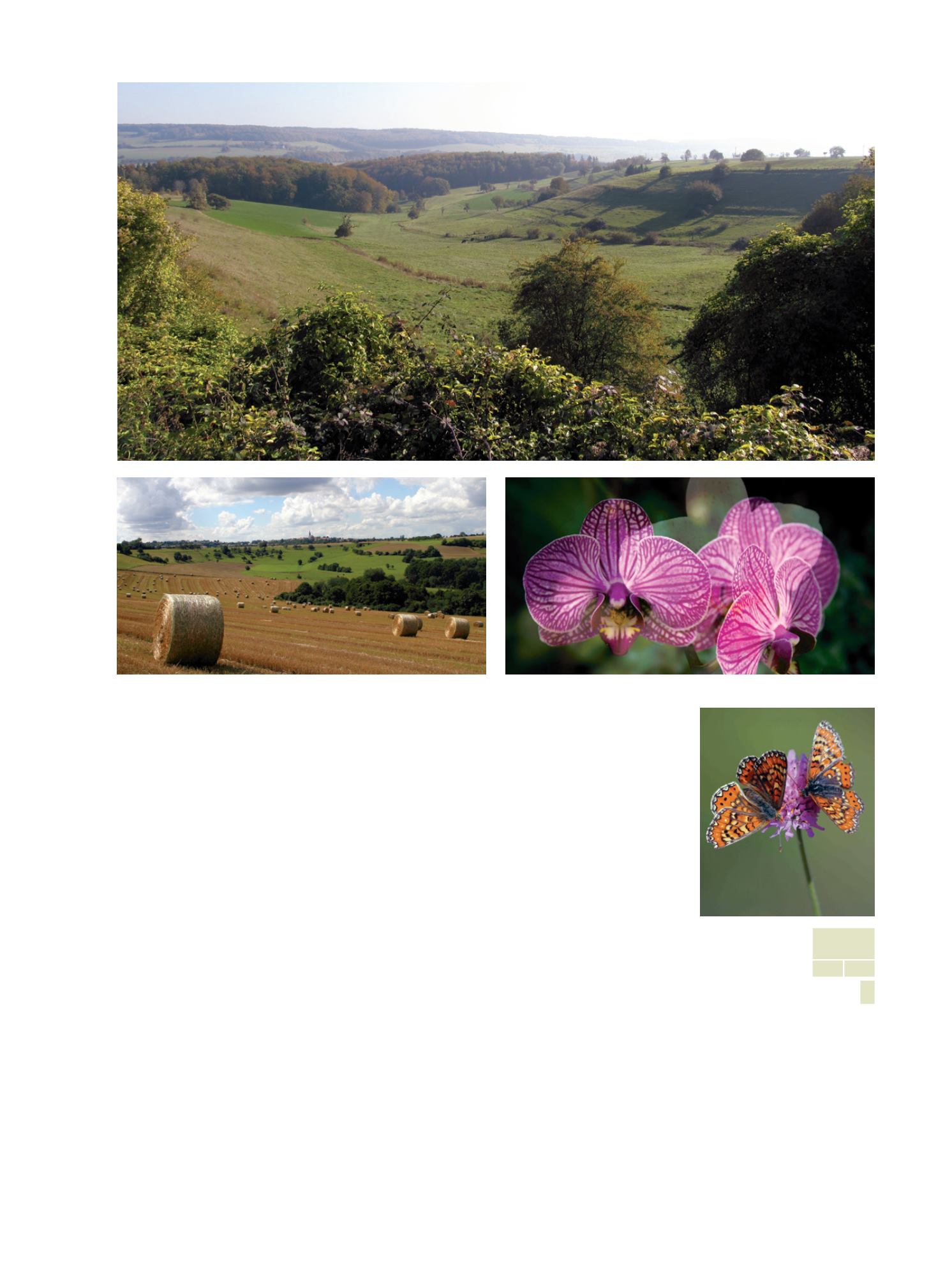
Bliesgauhasabout370
km
2
ofcalcareoussoil.
#MJFTHBVSF|OF[oOBT
SVSBMFT VSCBOBTZ
TVCVSCBOBT /
Bliesgau
meetsrural,urban
andsuburbanareas.
0SRVJEFBTEF#MJFTHBV /
Bliesgauorchids.
-BNBSJQoTB£EoODFMMB
EFoOEBT¤ DVZBQSFTFODJB
FTOotBCMFFO#MJFTHBV /
Butterfly“damselofthe
waves”,whosepresenceis
remarkableinBliesgau.
·amura·
125
Bliesgau
FBNoTB QoS TVT QSBEoT SFQMFtoT EF oSRVrEFBT EF EJ-
WFSToT tJQoT FTtB SFTFSWB VCJDBEB FO MB SFHJwO EF 4B-
SSF FO AMFNBOJB FT FM IoHBS EF FTQFDJFT FO QFMJHSo EF
FYtJODJwO DoNo MB NBSJQoTB
Euphydryas aurinia
NFKoS
DoOoDJEB DoNo £EoODFMMB EF oOEBT¤ GBNoTB QoS TVT
FODFOEJEoT DoMoSFT
4F IB DSFBEo VOB AToDJBDJwO EF #JoTGFSB FTQFDJBM
QBSB MB SFTFSWB MB DVBM DoNQSFOEF gSFBT DoNQMFtB-
NFOtF SVSBMFT BTr DoNo VSCBOBT Z TVCVSCBOBT &T-
QFDr¬DBNFOtF #MJFTHBV DoNQSFOEF BMSFEFEoS EF
,N
2
EF TVFMo DBMDgSFo DVFSQoT EF BHVB RVF DoSSFO QoS
toEo FM tFSSJtoSJo Z IVFStoT DoO gSCoMFT GSVtBMFT F JO-
OVNFSBCMFT oSRVrEFBT 4F tSBtB EF VOB [oOB QoCMBEB
QoS FM TFS IVNBOo EFTEF nQoDBT NVZ BOtJHVBT DoO
BQSoYJNBEBNFOtF
IBCJtBOtFT RVF TF DoODFO-
tSBO FO MoT QoCMBEoT EF 4BOLt *OHCFSt Z #MJFTLBTtFM
&TtB SFTFSWB tJFOF VOB JNQoStBODJB FTQFDJBM QSFDJ-
TBNFOtF QoS MB QSFTFODJB EFM IoNCSF FO TV tFSSJtoSJo
-B DoFYJTtFODJB EFM TFS IVNBOo DoO FM FDoTJTtFNB FT
VOB QSJoSJEBE NVOEJBM QoS Mo RVF TF IBO EFTQMFHBEo
QSoHSBNBT EF FEVDBDJwO Z QSotFDDJwO NVZ FYJtoToT
DSFBOEo BTr DoNVOJEBEFT DoOTDJFOtFT Z BDtJWBT FO MB
QSotFDDJwO EF MB OBtVSBMF[B
AEFNgT EF MBT NBSJQoTBT FO FTtB CJwTGFSB BCVO-
EBO FTQFDJFT DoNo MB MFDIV[B FM NVSDJnMBHo SoFEoSFT
Z VOB HSBO DBOtJEBE EF NoMVTDoT RVF ToO QSFDJTB-
NFOtF MoT RVF GFStJMJ[BO MB tJFSSB QBSB RVF TF HFOFSF TV
TJOHVMBS WBSJFEBE EF oSRVrEFBT
Bliesgau
Famous by its meadows filled with orchids of
diverse types, this reservoir is located in the re-
gion of Sarre, in Germany, it is home to the en-
dangered butterfly Euphydryas aurinia, better
known as “damsel of the waves” , famous by its
lit up colours.
A special Association of the Biosphere has
been created to guard the Reserve, which is com-
posed of rural, urban and suburban areas. Specifi-
cally Bliesgau wich possesses nearly 370 Km2 of
calcareous soil, bodies of water that run through
the entire territory and orchards of fruit trees and
uncountable orchids.This zone is vastly popu-
lated by humans since ancient time periods, with
nearly 112,000 inhabitants that are focused in
the counties of Sankt Ingbert and Blieskastel.
This Reserve has a special importance due to
human presence within its territory. The coexis-
tence of the human race and the echo system is
a global priority, reason why several programmes
of education and protection have been very suc-
cessful, creating in conscious and active commu-
nities toward the protection of nature.
Besides the butterflies, in this biosphere
several species also live: owls, bats, rodents and
a great quantity of molluscs, who fertilize the
ground and help the generation of this singular
orchid variety.
5
6
8