
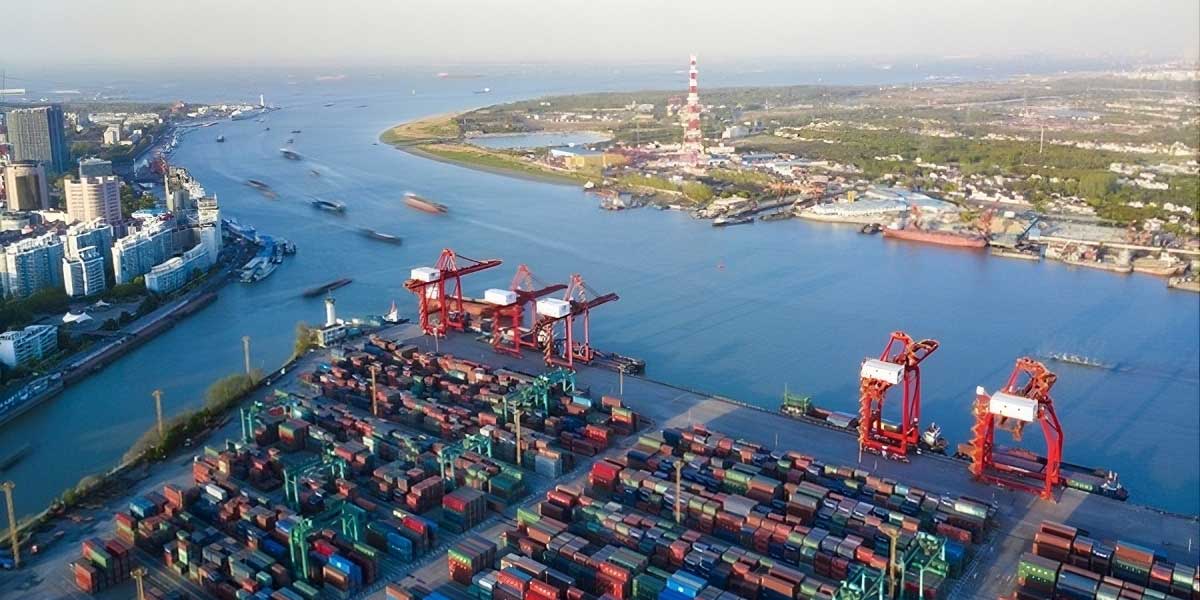
The decarbonization of international shipping has entered a new phase with the launch of the Shanghai-Melbourne Green Maritime Corridor (GSC) Implementation Plan. This initiative aims to accelerate the transition to cleaner fuels and establish a port cooperation model that can be replicated on other trade routes between Asia and Australia.
The project, spearheaded by the Port of Shanghai, the Port of Melbourne, and the C40 Cities international network, is entering its implementation phase with a roadmap that includes the development of alternative fuels, energy infrastructure, and digital solutions to reduce the environmental impact of freight transport.
Shanghai, the world's busiest container port, has set a target of reaching an annual supply capacity of one million tons of green methanol and biofuels.
Melbourne, for its part, aims to achieve carbon neutrality in its own operations by 2030 and strengthen the conditions for supplying alternative fuels to vessels calling at its facilities.
Clean Fuels and Technology
Among the plan's priorities is completing baseline and feasibility studies for deploying one or more container ships powered by low-carbon fuels on the Shanghai-Melbourne route by 2035. The initiative also aims to send a demand signal to the shipping industry, energy producers, and policymakers to incentivize investment in low- or zero-emission solutions.
The strategy envisions leveraging existing methanol supply capacity in Shanghai and advancing the feasibility of its production, transport, and refueling in Melbourne. It also plans to assess the installation of onshore electrical infrastructure that would allow ships to connect to the grid while in port and reduce the use of auxiliary engines.
Digitalization will be another key component. Data connectivity between ports and vessels, optimized voyages, and interoperable systems will improve operational efficiency, transparency, and emissions monitoring throughout the logistics chain.
A Strategic Alliance Between Two Ports
The project brings together public bodies, port operators, and energy companies. Participants include Shanghai International Port Group (SIPG), COSCO Shipping Lines, and energy providers HAMR Energy, Abel Energy, and Shenergy, with the collaboration of the China Classification Society on fuel standards and certification.
The launch coincides with the 20th anniversary of the partnership between the ports of Shanghai and Melbourne. The relationship has a significant commercial dimension: China is Melbourne's main trading partner, accounting for 50% of its container imports and 20% of its exports.
The initiative demonstrates how international cooperation can translate into concrete measures to combat climate change. The challenge will be to convert these commitments into infrastructure, fuel availability, and viable operations at a commercial scale.