



 49 / 132

·amura·
47
compás int • int compass
Unade las especies endémicas de las islas es la Tagimoucia (
Me-
dinillawaterhousei
), proclamada como la Flor Nacional por su singu-
lar apariencia y limitada existencia; crece en las regiones altas de la
isla de Taveuni entre octubre y febrero, yno se encuentra enningún
otro lugar del mundo. La leyenda de su origen es sobre el amor y la
angustia: una joven princesa estaba enamorada de un joven de la
aldea, pero su padre la prometió a otro hombre. Desesperada, huyó
al bosque, en loaltode lasmontañas, dondeencontró refugioycon-
suelo entre la vegetación de un lago cristalino y lloró toda la noche.
Sus lágrimas cayeronal sueloyen su lugar crecieronflores rojas bri-
llantes. Tanto las flores como el lago fueronnombrados Tagimoucia,
que significa "llorar lágrimas de desesperación" en fiyiano. La his-
toria tiene un final feliz; su padre, viendo la angustia de su hija, le
permitió casarse con el joven y vivieron felices para siempre.
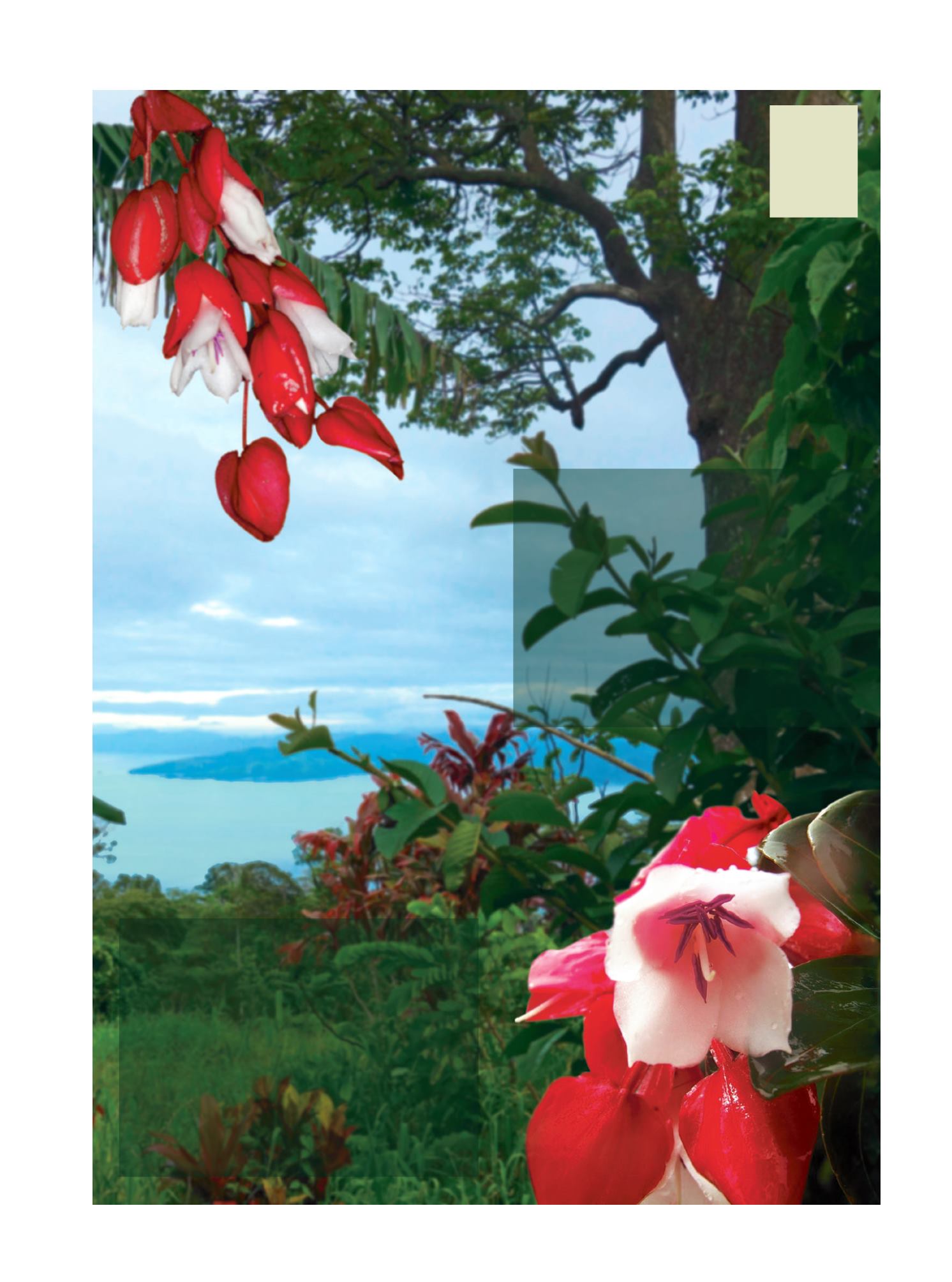
46. Laflorde
Tagimaucia
nopuedeser
cultivadaen
ningúnotro
luagrquenosea
la islaTaveuni./
TheTagimoucia
Flowercannotbe
grownanywhere
butTaveuni
Island.
46
One of the islands’ endemic species is the Tagimoucia (
Medi-
nilla waterhousei
), proclaimed as the National Flower because of
its unique appearance and rare existence; it grows in the high-
lands of Taveuni Island between October and February, and you
won’t find it anywhere else in theworld. The legend of its origin
is about love and anguish: a young princess was in love with a
youngman from the village, but her father betrothed her to an-
other man. In despair, she ran away into the forest, high in the
mountains, where she found shelter and comfort among the
greenerybya crystalline lake and criedall night. Her tears rolled
into the ground and grew bright red flowers. Both the flowers
andthelakewerenamedTagimoucia,whichmeans“cryingtears
of despair” inFijian. The talehas ahappyending; her father, see-
inghis daughter’s distress, allowedher tomarry the youngman
and they livedhappilyever after.