especies •
species
96
·amura·
Texto /
Text:
• Foto /
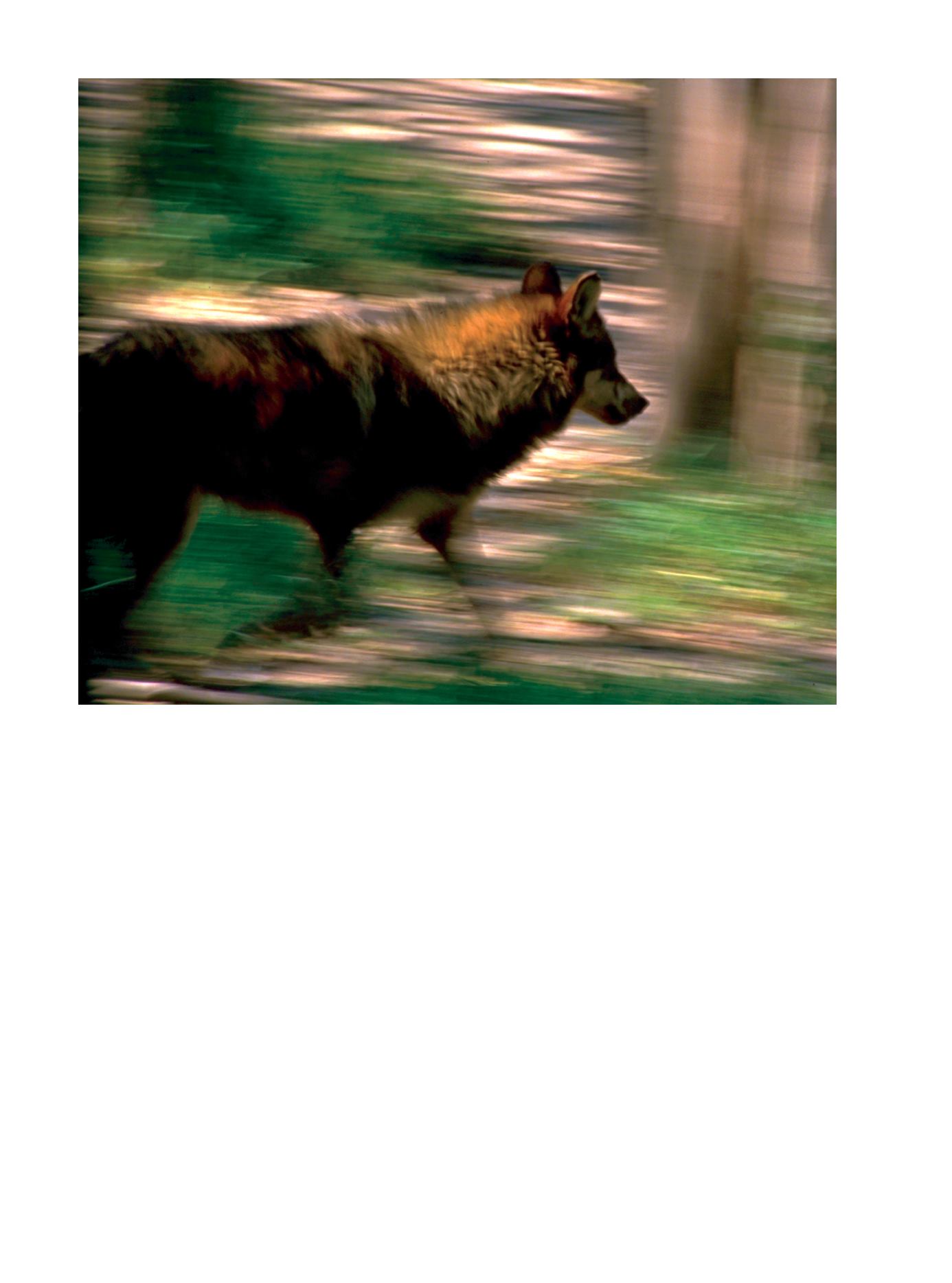
Photo: Eduardo Lugo
Have you even imagined being crouched in
the same place for hours on end, exposed to
mosquito bites, night after night, day after
day, enduring hot and cold to get a good image of
a tapir or of exotic birds? This is the type of dis-
comfort that nature photographers have to put up
with in order to capture the images we enjoy in
books, magazines and the documentaries we
watch on television.
Nature photography was one of the first
media that showed us the world that surrounds
us and was for a long time, the only means
through which people could see animals and
places that they perhaps would never have seen.
Later, cinema and then video contributed to
expanding our horizons. Surely we seen a jaguar
in a photograph, but how many of us have seen
one in its natural habitat? Perhaps only a few and
it its there were the importance the photogra-
Se imaginan tener que estar agazapado por horas
en un mismo lugar, expuesto a picaduras de mos-
quitos, noche tras noche durante días, pasando
calor o frío tan sólo por obtener una buena imagen de
un tapir o de aves exóticas? Éste es el tipo de incomodi-
dades que los fotógrafos naturalistas tienen que pade-
cer para traer las imágenes que disfrutamos en libros,
revistas o documentales que vemos por televisión.
La fotografía naturalista fue una de las primeras
formas en que se mostró el mundo que nos rodeaba,
y fue por mucho tiempo el único medio por el que la
gente pudo conocer animales o lugares que quizá
nunca hubieran conocido. Más tarde, el cine y luego
el video han contribuido a expandir nuestros hori-
zontes. Seguramente todos hemos visto en imáge-
nes un jaguar, pero, ¿cuántos hemos estado frente a
uno en su medioambiente? Quizá muy pocos, y es ahí
donde radica la importancia de quienes se dedican a
fotografiar la naturaleza y nos permiten observarla
Nature Photography
La fotografía naturalista
¿
¿


