



 119 / 132

·amura·
117
Mitos •
Myths
Otra figura mágica fundamental en su cos-
mogonía es el tótem, generalmente animales,
árboles u otros objetos de poder; que pueden ser
protectores, y atraer bendiciones para los habi-
tantes de las comunidades. Podrían ser conside-
rados como un ser alterno, ligado a cada persona
desde su nacimiento. En México esto es conocido
como “
nagual
”.
El
Kai Viti,
como se nombra a sí mismo el pueblo de
Fiyi, está integrado por abundantes narradores que,
aún en la actualidad, explican que muchos fenómenos
fueron causados por fuerzas sobrenaturales y divinas;
así, hay dioses a quienes se debe invocar para asegu-
rar condiciones climáticas favorables; para navegar sin
tropiezos o para obtener una buena cosecha; librarse
exitosamente de cualquier dificultad; gozar de buena
salud, felicidad, un buen matrimonio y descendencia.
Son venerados los dioses antiguos y el espíritu de los
antepasados del mismo modo.
En la antigüedad, el dios mejor conocido y más
venerado era Degei, originario de las montañas de
Kauvadra –que es el área más rica
en tradiciones de Fiyi. Degei es
reconocido como el protector de
sus habitantes primigenios, y
al mismo tiempo su venerable
antepasado. Degei es descrito
como una serpiente, que encar-
na un símbolo del bien, contra-
rio a muchas mitologías.
Another magical figure that is fundamental
in its cosmogony is the totem. They are gener-
ally represented by animals, trees or other ob-
jects of power; they can be protectors, and bring
blessings for the inhabitants of the communi-
ties. They could be considered as an alternate
being, linked to each person from birth. In Mexi-
co, this is known as
nagual
.
The
Kai Viti
, as the people of Fiji call them-
selves, is comprised by numerous narrators who,
even nowadays, explain that many phenomena
were caused by supernatural and divine forces;
thus, there are gods who must be summoned
to ensure favorable climatic conditions, to sail
freely or to collect a good harvest, overcome any
difficulty, enjoy good health, plus a good mar-
riage and descendants. The ancient gods and
the spirit of the ancestors are worshiped in the
same way.
In ancient times, the best known and most
worshiped god was Degei, who originated in the
Kauvadra mountain range—the
most culturally rich region in Fiji.
Degei is recognized as the protec-
tor of its native inhabitants, and
at the same time, their venerable
ancestor. Degei is described as a
serpent, who incarnates as a sym-
bol of good, contradicting many
other mythologies.
1
1.Templode
Fiyi(burekalou).
Centro Cultural
Polinesio./
Temple
ofFiji(burekalou).
PolynesianCultural
Center.
2-3-4.Ceremonias,
danzas,cantosy
tradicionesorales
resguardaronsu
cultura.Apenasa
mediadosdelsiglo
XIX,elfiyianotuvo
unalfabetocon
caracteres latinosen
surepresentación
escrita./
Ceremonies,
dances,songs
andoraltradition
protectedtheir
culture.Itwasonly
inthemiddleof
the19thcentury
thatFijianhadan
alphabet
withLatincharacters
initswritten
representation.
3
2
4
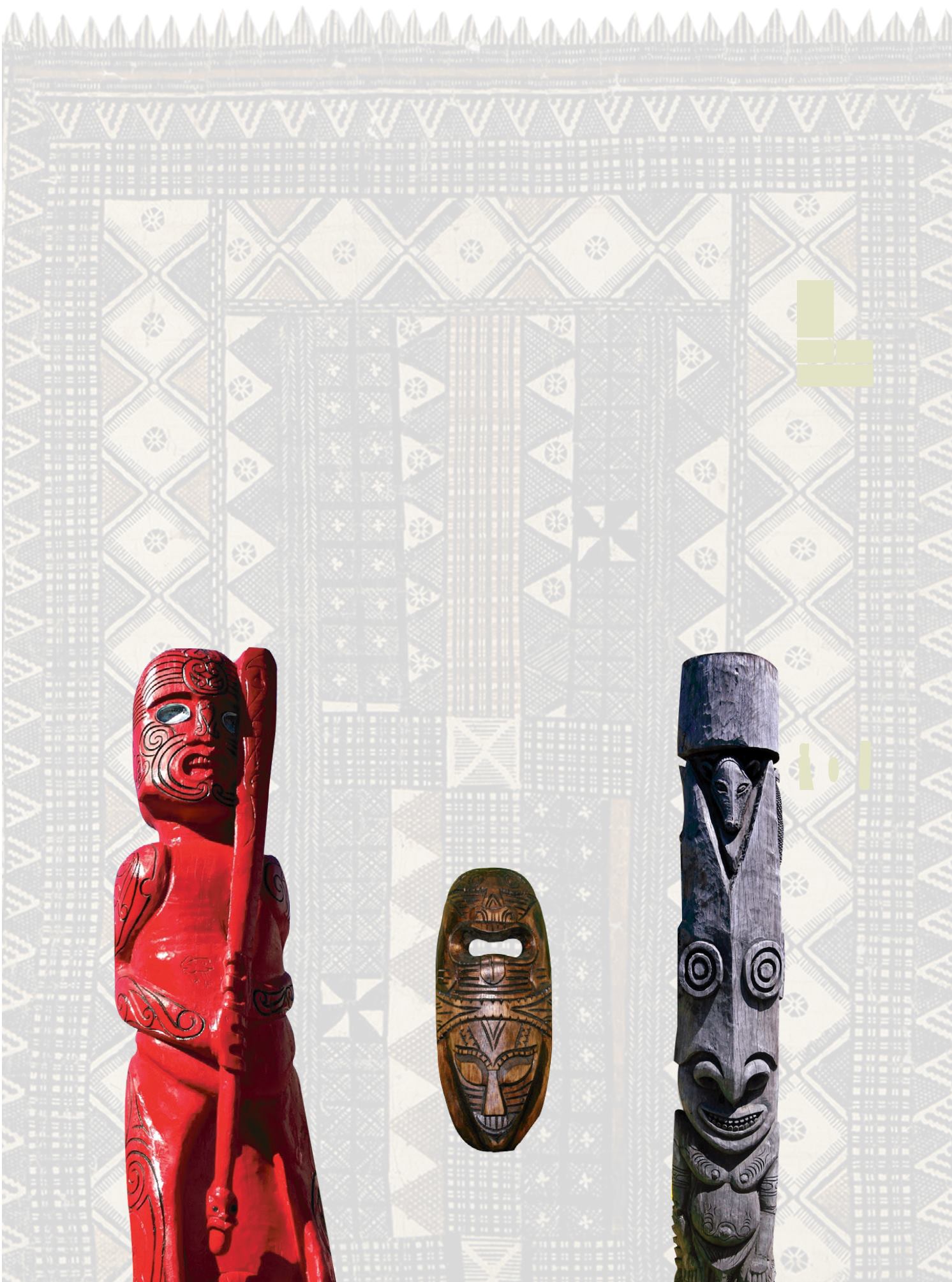
5-6.Estatuasde
maderaopiedra,
representanalguno
desusdioses
significativos,tótem
ypersonajesdesus
leyendas./
Wood
orstonestatues
representsomeof
theirsignificant
gods,totem,andthe
charactersoftheir
legends.
7.Antiguaescultura
demaderaenel
MuseoNacionalde
Fiyi./
Ancientwood
sculptureatthe
NationalMuseum
ofFiji.
6 5
7