·amura·
95
catadores •
tasters
De la India para el mundo
Después de China, la India es el segundo productor de té
en el mundo. Las tres regiones que se destacan por ser
las mayores productoras son Darjeeling, Assam y Nilgiris.
Debido a su particular localización, en Darjeeling se pro-
duce una de las variedades más codiciadas para preparar
esta bebida; de una tonalidad ámbar, la delicadeza de su
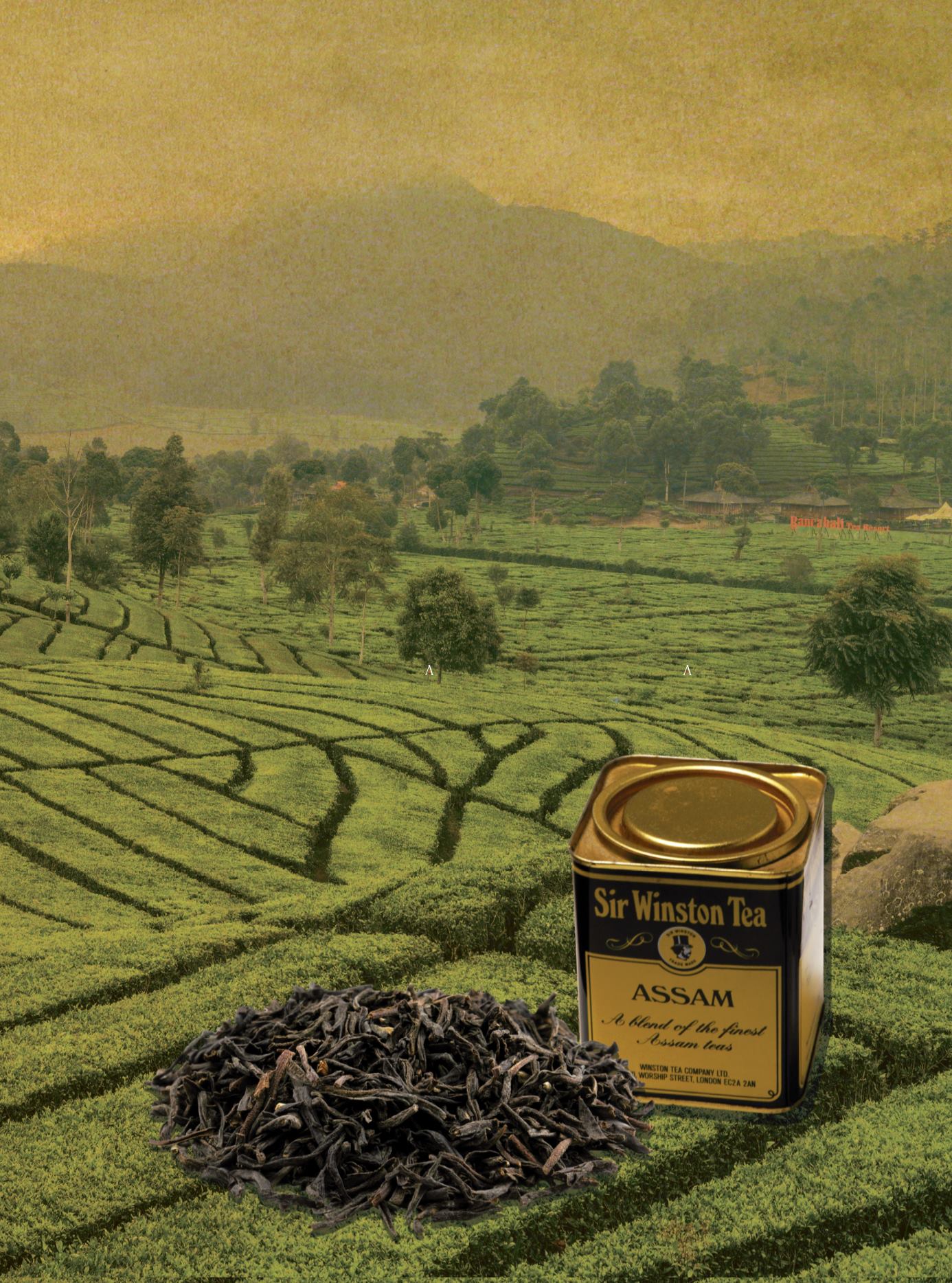
sabor y su aroma son inigualables. El té de Assam, por
otro lado, se caracteriza por su sabor fuerte y su colora-
ción oscura mientras que el de Nilgiris se destaca por ser
intensamente aromático.
En la India los chai wallahs (vendedores callejeros de
té) ofrecen la bebida a los viajeros en las estaciones de
tren. Los ingredientes que se utilizan para obtener el tra-
dicional té masala chai son: té negro, jengibre, pimienta
negra, anís, cardamomo, clavo de olor, canela y un poco
de leche. No existe una única receta para su preparación
ni para la cantidad de los ingredientes, ya que cada per-
sona puede prepararlo a su gusto.
Para la aristocracia británica el gusto por el té se con-
virtió en capricho, uno muy caro, pues había que traerlo
desde China; ante ello, decidieron impulsar su cultivo en
una de sus colonias: La India, en la zona montañosa de
Munnar, que hasta comienzos del siglo XIX había sido ele-
gida por la colonia británica como lugar de veraneo. Los
europeos se dieron cuenta que los factores climáticos
hacían de éste el lugar ideal para explotar el cultivo del
té. Actualmente Munnar aloja el TATA tea Museum, dedi-
cado al té y sus cultivos, en donde existen fotos, maqui-
naria y todo lo relacionado a los orígenes y crecimiento
de la plantación de té en Munnar.
From India to the world
After China, India is the second tea producer in
the world. The three regions that stand out as the
greatest producers are Darjeeling, Assam and Nil-
giris. Due to its peculiar location, in Darjeeling is
produced one of the most sought varieties to pre-
pare this drink; in an amber hue, the delicacy of its
flavor and aroma are unmatched. Assam tea, on the
other hand, is characterized by its strong flavor
and dark coloration, while the Nilgiris stands out
for its intense aroma.
In India, the chai wallahs (tea street vendors) of-
fer the drink to the travelers in the train stations.
The ingredients used to make the traditional masala
chai tea are: black tea, ginger, black pepper, anise,
clove, cinnamon, cardamom and a little milk. There
is neither a unique recipe for its preparation nor for
the amount of ingredients, as every person is able to
make it as he or she pleases.
For the British aristocracy, the taste for tea be-
came a whim, a very expensive one, because it had to
be brought from China. Because of that, they decided
to promote its growth in one of their colonies: India; in
Munnar highland which until the beginning of the XIX
century had been the summer resort of choice of the
British colony. The Europeans realized that the climate
factorsmade it the ideal place to plant and use tea. Cur-
rently, Munnar lodges the TATA Tea Museum, dedicated
to the tea and crops, where there are photographs, ma-
chinery and everything else related to the origins and
development of tea plantation inMunnar.


