


 35 / 132

4
Algunos sitios arqueológicos han ayudado a de-
terminar que la primera colonización fiyiana comen-
zó entre 1700 y 1000 a.C. Llamaron a su tierra Viti. En
las historias fiyianas, los guerreros Lutunasobasoba
y Degei llegaron a Viti Levu (la isla más grande en
Fiyi) desde Egipto en una canoa nombrada
Kaunitoni
y fundaron el pueblo fiyiano. La leyenda afirma que
llevaban una caja llamada
Katonimana
, que significa
"Caja de Bendiciones". El
Katonimana
se perdió en una
tormenta, y en lugar de recuperarla, Lutunasobasoba
proclamó que era la voluntad de los dioses. Hoy en día
se cree que permanece bajo el agua en las islas Ma-
manuca, extendiendo bendiciones a los lugareños y
visitantes.
Some archeological sites have helped to de-
termine that the first Fijian colonization began
around 1700 to 1000 BC. They called their land
Viti. In some Fijian stories, the warriors Lutuna-
sobasoba and Degei arrived to Viti Levu (the larg-
est island in Fiji) from Egypt on a canoe named
Kaunitoni
and founded the Fijian population. Leg-
end claims that they were carrying a box called
Katonimana
, which means “Box of Blessings.” The
Katonimana
was lost in a storm, and instead of re-
trieving it, Lutunasobasoba proclaimed it was the
will of the gods, and thus it is believed to remain
underwater to this day in the Mamanuca Islands,
spreading blessings to locals and visitors.
·amura·
33
compás int • int compass
“Blessing grant oh God of nations on the isles of Fiji
As we stand united under noble banner blue
And we honor and defend the cause of freedom ever
Onward march together
God bless Fiji”
-
Fijian National Anthem
“Concede bendición, Oh Dios de las naciones, a las islas de Fiyi
Unidos nos erguimos bajo la noble bandera azul
Honramos y defendemos siempre la causa de la libertad
Adelante marchamos juntos
Dios bendice Fiyi”
- Himno Nacional Fiyiano
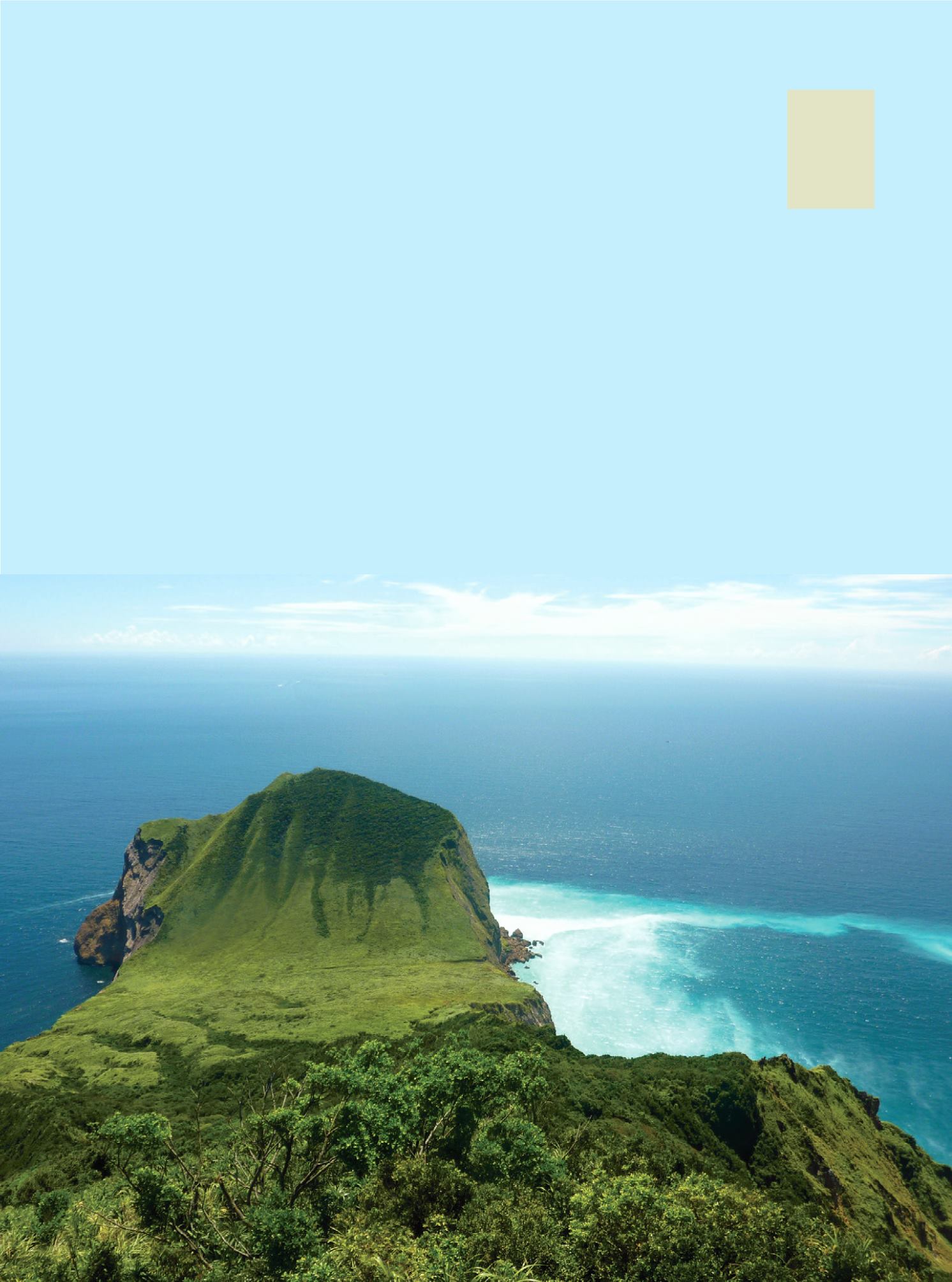
4.La IslaTortuga:uno
de los lugaresmás
privadosyaislados
deFiyi,exclusiva
paraparejas./
Turtle
Island:oneofthe
mostprivateand
secludedplacesin
Fiji,exclusivefor
couples.