Texto/
Text
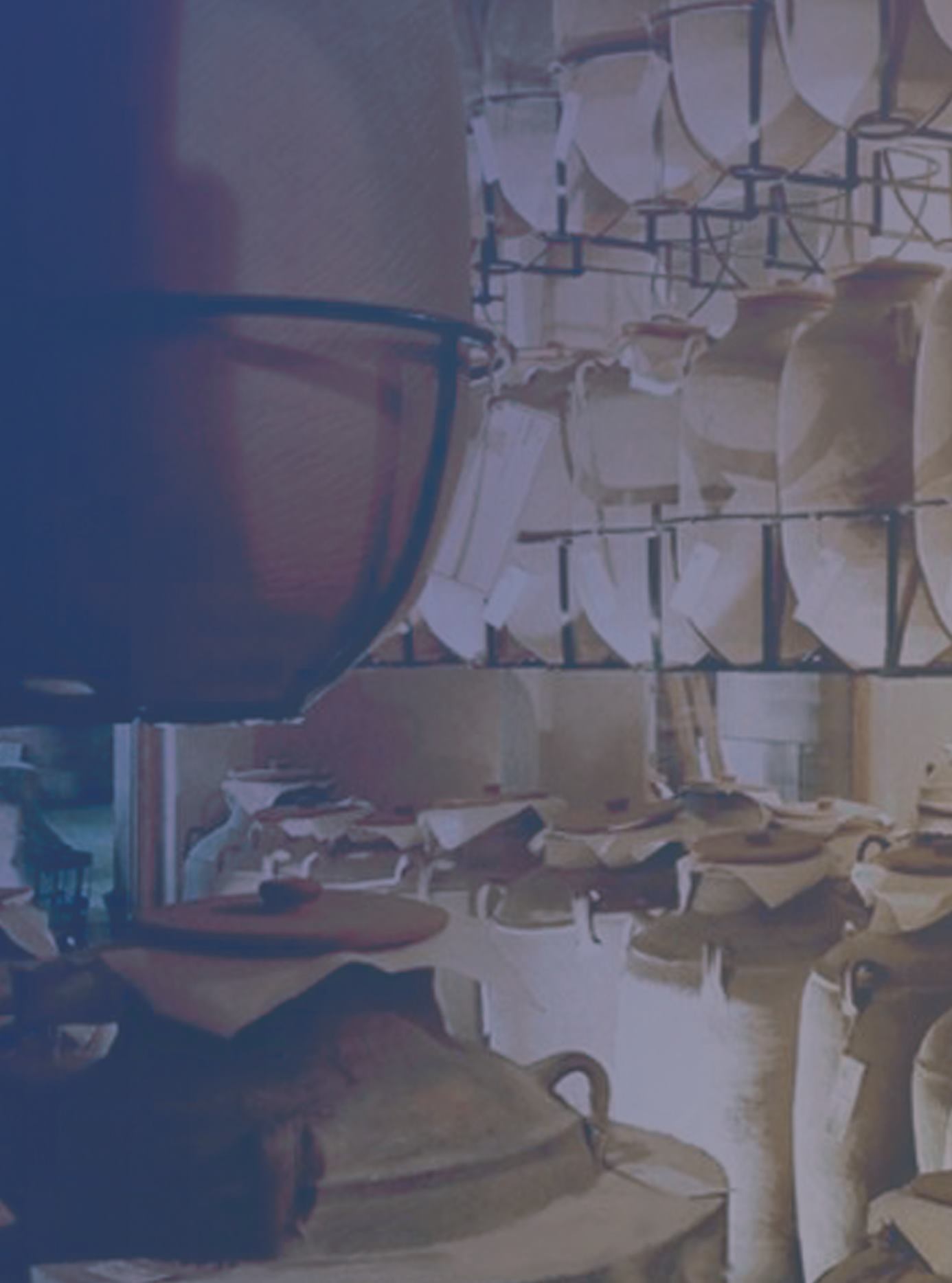
: El Massaya Arak • Foto /
Photo
: MASSAYA / Panoramio
C
ada historia tiene un inicio, y cada inicio tiene
una leyenda. La historia del Arak es enigmá-
tica y llena de fantasías; tanto así que se ha
llegado a mezclar la realidad con el mito.
Al igual que cualquier bebida noble o popular; Arak,
cuyo nombre significa “Sudor” tiene inicios complicados.
En efecto, la mayoría de los libaneses no podían costear el
alambiquedecobreparadestilarestebrebaje.Aquelloscon
más fortuna, poseían un Arak refinado, producido por sus
familias; manteniendo cada receta particular en secreto.
Todo comienza en los viñedos. El vino debe estar
bienmadurado, usualmente de color dorado. Las uvas,
cultivadas en Septiembre y en Octubre, son machaca-
das y puestas en barriles junto con El Mestarr (jugo) y
dejadas en fermentación durante tres semanas.
Para crear la “Leche de León”, como le llaman, la
primera destilación se realiza empleando el alambi-
que o el karkeh, que es un dispositivo hecho de co-
bre. La idea es recolectar el alcohol en el contenedor
sin la presencia de agua.
En la segunda destilación, el alcohol recolectado
es destilado de nuevo pero esta vez mezclado con el
anís. La cantidad de alcohol puede variar, pero es de
aproximadamente 40 grados. Este último es uno de
los mayores factores de la calidad del producto final.
Otra destilación toma lugar, usualmente en la tem-
peratura más baja posible.
ARAK
·amura·
90
catadores •
tasters
Una costumbre milenaria
Amillenary tradition
E
very story has a beginning, and every begin-
ning has a legend. The history of Arak is enig-
matic and full of fantasies; so many that in
several occasion themyth hasmixed with reality.
Like popular drink, Arak, whose name means
“Sweat“ had complicated beginnings. Indeed, most
of the Lebanese could not afford copper stills to
distill the brew. Those with more wealth, pos-
sessed a refined Arak, produced by their families,
keeping each particular recipe secret.
It all starts in the vineyard. The wine should
be well matured, usually gold. The grapes grown in
September and October, are crushed and put in bar-
rels along with The Mestarr (juice) and left ferment-
ing for three weeks.
To achieve the Lion’s Milk, as they call it, the
first distillation is carried out using the still or
karkeh , a device made of copper. The idea is to
collect the alcohol in the container without the
presence of water.
In the second distillation, alcohol is collect-
ed again, but this time mixed with anise. The
amount of alcohol can vary, but is approximate-
ly 40 degrees. The latter is one of the major fac-
tors in the quality of the final product. Another
distillation takes place, usually at the lowest
possible temperature.


