herencia cultural •
culture and heritage
T
he Oruro Carnival, which is held in Bolivia,
was born from festivities back in the early
Christian era. On May 18, 2001, the Carnival
was proclaimed “Masterpiece of Oral and Intangi-
ble World Heritage” by UNESCO.
The Oruro Carnival is a tradition that has
risen to the level of art. It is a festive intercul-
tural fusion manifested through dance, music,
parades, processions, folklore and crafts. A party
that lasts three days and nights but the memory
lives on forever.
Oruro is a silver mining town of some 250,000
people occupying an area less than the corporate
district of Santa Fe in Mexico City. It is located mid-
way between the cities of Sucre and La Paz, in the
Urus region, in the western part of Bolivia. It is a
city full of art which was a pre-Columbian ceremo-
nial and old mining center during the nineteenth
and twentieth centuries. The town houses both the
Sanctuary of the Lady of the Socabon and an un-
paralleled natural beauty. In addition to the carni-
val, the Sanctuary is a place definitely worth visit-
ing. You can also appreciate the works exhibited in
the Archaeological Museum, the Mineralogical Mu-
seum, the House of Culture and the street of La Paz,
where embroiderers concoct an endless variety of
colorful, fun and bright vestments of those who
parade and dance, llameradas, tinkus, Doctorcitos,
everything fits into the explosive Oruro Carnival.
E
l Carnaval de Oruro, que se celebra en Bolivia,
nació de festividades que datan de principios
de la Era Cristiana. El 18 de mayo de 2001 fue
proclamado “Obra Maestra del Patrimonio Oral e In-
tangible de la Humanidad” por la UNESCO.
El Carnaval de Oruro es una tradición que se ha
elevado a la altura del arte; festiva fusión intercul-
tural que se manifiesta a través de la danza, la mú-
sica, desfiles, procesiones, folclore y artesanías.
Una fiesta que dura tres días y sus noches pero
perdura en la memoria por siempre.
Oruro es una población minera (plata) de unas
250,000 personas que ocupa una superficie menor a la
del distrito corporativo Santa Fe, México Distrito Fede-
ral. Se encuentra equidistante de las ciudades de Sucre
y La Paz, en la región de Urus, oeste de Bolivia. Ciudad
llena de arte, centro ceremonial precolombino y anti-
guo centro minero durante los siglos XIX y XX, resguar-
da tanto el Santuario de la Virgen del Socavón como
bellezas naturales inigualables e íconos tradicionales
del país. Además del carnaval, el Santuario mencionado
es un lugar que sin duda vale la pena visitar. También
se pueden apreciar las obras que exponen el Museo Ar-
queológico, el Museo Mineralógico, la Casa de la Cultura
y la calle de La Paz, lugar donde los bordadores confec-
cionan la interminable variedad de coloridas, divertidas
y brillantes vestimentas de quienes desfilan y bailan
caporales, llameradas, tinkus, doctorcitos, porque todo
cabe en el explosivo Carnaval de Oruro.
2
1. Al arribo de los
españoles, ocultaron
a sus deidades tras la
liturgia cristiana.
/
When the Spanish
arrived they hided
their deities behind
the Catholic liturgy.
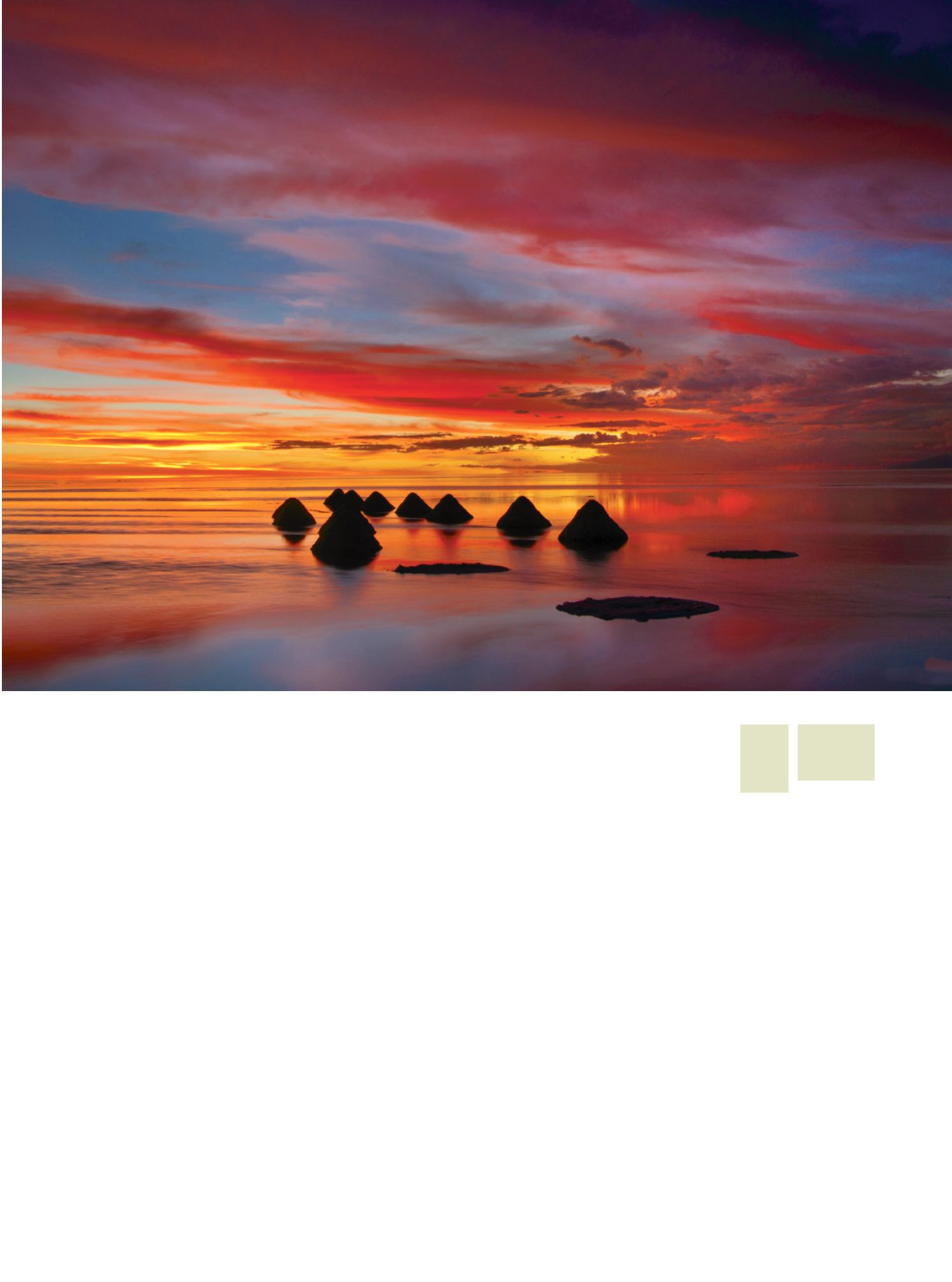
2. Salar de Uyuni,
12,000 Km2 de sal.
Es el más grande del
mundo.
/ Uyuni salt desert,
12,000 sq. Km of salt.
It’s the biggest in the
world.
1
·amura·
119


