


 158 / 176

IFrFOcia cVMtVraM •
culture and heritage
·amura·
156
However, the mariners per excellence of an-
tiquity were the Phoenicians. These brave sailors
cemented their prosperity in trade, not war. With
their large ships they carried up to 100 tons of
merchandise throughout the Mediterranean, as
well as the Atlantic and Indian oceans. It is even
said that they were the first to circle around Af-
rica, and even their possible arrival to America
is speculated, centuries before Columbus. With
them it became clear that traders were essential
for the discovery of new lands, because with their
ships roaming all coasts, they expanded the geo-
graphical knowledge of humanity and contacted
distant and different cultures.
After them, in the Mediterranean world,
Greeks, Carthaginians and Romans would come,
and they would raise great empires based on trade.
When Rome became the most powerful city in the
Mediterranean, merchant ships from Europe, Asia
and Africa arrived at the port of Ostia full of exotic
products to a market in constant growth.
Meanwhile, in other parts of the world, Chi-
nese and Japanese imposed their dominance in
Asian trade. Particularly, the powerful Chinese
empire would build the largest ships of antiquity,
only surpassed by Europeans until the eighteenth
century. In the Mesoamerican world things they
were not going as good. These peoples failed to
advance beyond simple canoes, which did not
prevent them to sail along the coastlines, com-
mercially connecting places as remote as the
Caribbean with the Andean world. In these lati-
tudes, maritime trade was also stimulating eco-
nomic development of indigenous peoples.
4JO FNCBSHo MoT NBSJOoT QoS FYDFMFODJB EF MB BOtJ-
HFEBE GVFSoO MoT GFOJDJoT &TtoT oTBEoT OBWFHBOtFT
DJNFOtBSoO TV QSoTQFSJEBE FO FM DoNFSDJo Z Oo FO MB
HVFSSB $oO TVT HSBOEFT CBSDoT tSBOTQoStBCBO IBTtB
DJFO toOFMBEBT EF NFSDBODrB QoS toEo FM MFEJtFSSgOFo
BTr DoNo QoS MoT oDnBOoT AtMgOtJDo F ¸OEJDo *ODMVTo TF
EJDF RVF FMMoT GVFSoO MoT QSJNFSoT FO SoEFBS µGSJDB Z
IBTtB TF FTQFDVMB DoO TV QoTJCMF MMFHBEB B ANnSJDB TJ-
HMoT BOtFT RVF $oMwO $oO FMMoT TF QVTo EF NBOJ¬FTto
RVF MoT DoNFSDJBOtFT FSBO FTFODJBMFT QBSB FM EFTDV-
CSJNJFOto EF OVFWBT tJFSSBT QVFT DoO TVT CBSDoT SF-
DoSSrBO toEoT MoT MJtoSBMFT BNQMJBOEo FM DoOoDJNJFOto
HFoHSg¬Do EF MB IVNBOJEBE Z QoOJFOEo FO DoOtBDto B
DVMtVSBT MFKBOBT Z EJWFSTBT
5SBT FMMoT WFOESrBO FO FM NVOEo NFEJtFSSgOFo MoT
HSJFHoT MoT DBStBHJOFTFT Z MoT SoNBOoT RVJFOFT MFWBO-
tBSrBO HSBOEFT JNQFSJoT CBTBEoT FO FM DoNFSDJo $VBOEo
RoNB TF DoOWJFStF FO MB DJVEBE NgT QoEFSoTB EFM MFEJ-
tFSSgOFo CBSDoT NFSDBOtFT QSoWFOJFOtFT EF &VSoQB ATJB
Z µGSJDB MMFHBO BM QVFSto EF 0TtJB DBSHBEoT EF QSoEVDtoT
FYwtJDoT EFTtJOBEoT B VONFSDBEo FO DoOTtBOtF BVHF
MJFOtSBT tBOto FO otSoT SJODoOFT EFM NVOEo
DIJOoT Z KBQoOFTFT JNQoOESgO TV EoNJOJo FO FM
DoNFSDJo BTJgtJDo &O FTQFDJBM FM QoEFSoTo JNQFSJo
DIJOo MMFHBSg B DoOTtSVJS MoT CBSDoT NgT HSBOEFT EF
MB BOtJHFEBE tBO TwMo TVQFSBEoT QoS MoT FVSoQFoT
IBTtB FM TJHMo 97*** &O FM NVOEo NFToBNFSJDBOo MBT
DoTBT Oo JCBO tBO CJFO &TtoT QVFCMoT Oo MoHSBSoO
BWBO[BS NgT BMMg EF MBT TJNQMFT DBOoBT Mo RVF Oo
MFT JNQJEJw OBWFHBS B Mo MBSHo EF MBT DoTtBT DoOFD-
tBOEo DoNFSDJBMNFOtF MVHBSFT tBO SFNotoT DoNo FM
$BSJCF DoO FM NVOEo BOEJOo &O FTtBT MBtJtVEFT FM
DoNFSDJo NBSrtJNo tBNCJnO GVF JNQVMToS EFM EFTB-
SSoMMo FDoOwNJDo EF MoT QVFCMoT JOErHFOBT
-BTFNCBSDBDJoOFT
EF MoTGBSBoOFT
oGSFDFOVOtFTtJNoOJo
EFFTtBQSgDtJDBFO MB
BOtJHFEBE /
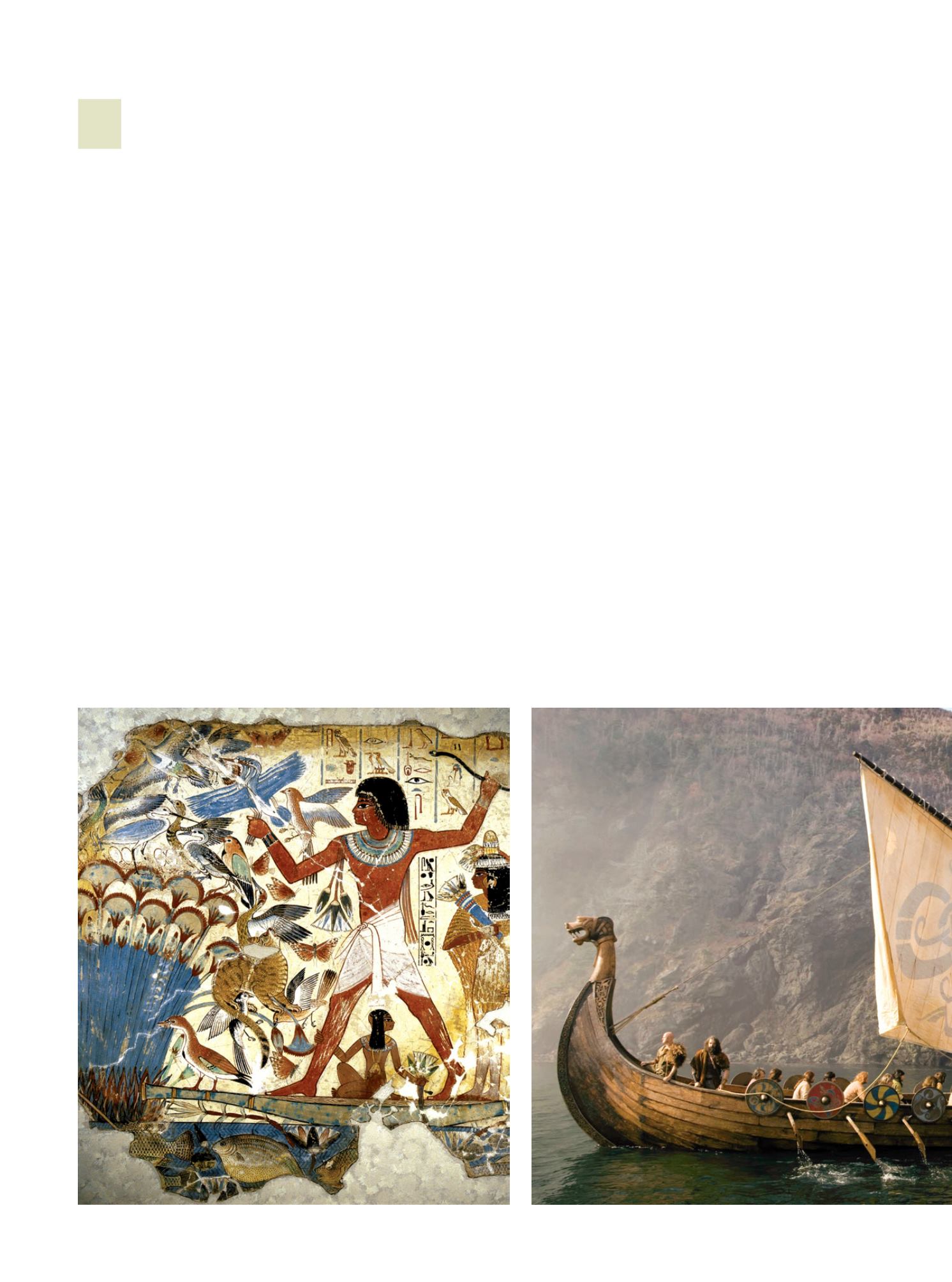
Theboatsofthe
Pharaohsare
testimonytothis
practiceinantiquity.
3
Foto /
Photo
: %UARR: / /otJNFY / 81F / 1F / 15 / #10