


 159 / 176

·amura·
157
$oO MB DBrEB EF RoNB TFSgO MoT CJ[BOtJOoT B ¬O EF
DVFOtBT tBNCJnO SoNBOoT MoT RVF toNBSgO FM DoOtSoM
EFM DoNFSDJo NFEJtFSSgOFo BM NFOoT QoS VO tJFNQo
IBTtB RVF MoT gSBCFT MoT WFOFDJBOoT MoT HFOoWFTFT Z
MoT DBtBMBOFT MFT RVJtFO FTF QSJWJMFHJo &O FM OoStF QoS
TV QBStF MoT WJLJOHoT MF EBSgO VO OVFWo JNQVMTo BM EF-
TBSSoMMo NBSrtJNo $oOtSBSJo B Mo RVF TF TVFMF QFOTBS EF
FMMoT nTtoT JOtSnQJEoT OBWFHBOtFT Oo FSBO TwMo VOoT
GFSoDFT TBRVFBEoSFT EF QVFCMoT JOEFGFOToT QVFT Mo
OoSNBM FSB RVF QSF¬SJFSBO FM DoNFSDJo BM TBRVFo MMF-
WBOEo TVT NFSDBODrBT B CoSEo EF MoT LOoSS TVT CBSDoT
NFSDBOtFT %VSBOtF MB AMtB &EBE MFEJB FMMoT TFSrBO TJO
EVEB MoTNFKoSFT OBWFHBOtFT EFM NVOEo Mo RVF MFT QFS-
NJtJw TFS MoT QSJNFSoT FVSoQFoT FO MMFHBS BIoSB Tr EF
GoSNB EoDVNFOtBEB B tJFSSBT BNFSJDBOBT
$VBOEo MoT WJLJOHoT EFTQBSFDJFSoO TV MVHBS FO FM
DoNFSDJo EFM OoStF EF &VSoQB GVF toNBEo QoS MBT DJV-
EBEFT EF MB -JHB )BOTFgtJDB FODBCF[BEBT QoS -CFDL
FO AMFNBOJB DVZo QoEFS FDoOwNJDo EFSJWBEo EFM Do-
NFSDJo NBSrtJNo MMFHw B TFS DoOTJEFSBCMF EVSBOtF MB
#BKB &EBE MFEJB
$oO FM ¬OBM EF MB &EBE MFEJB Z MB DBrEB EF $oOTtBOtJ-
OoQMB FO NBOoT EF MoT otoNBOoT MoT FVSoQFoT TF WFSgO
oCMJHBEoT B TBMJS EF TVT GSoOtFSBT QBSB SFDVQFSBS FM Do-
NFSDJo EF MBT FTQFDJBT QSoWFOJFOtFT EF $IJOB B tSBWnT
EF MB MMBNBEB RVtB EF MB 4FEB &TtBT OVFWBT FYQMoSBDJo-
OFT RVFEBSgO FO NBOoT EF QoStVHVFTFT Z FTQBvoMFT
EFTEF NFEJBEoT EFM TJHMo 97 IBTtB NFEJBEoT EFM TJHMo
97* -B JOWFODJwO EF MB $BSBCFMB VO tJQo EF CBSDo DBQB[
EF OBWFHBS FO NBS BCJFSto GVF Mo RVF QFSNJtJw RVF $o-
MwO QVEJFSB DoOEVDJS B CVFO tnSNJOo FM WJBKF RVF MMFWw B
MoT FVSoQFoT B FTtBCMFDFS VO DoOtBDto EF¬OJtJWo DoO FM
NVOEo BNFSJDBOo Z MF QFSNJtJw B MoT EoT QBrTFT JCnSJDoT
DoOWFStJSTF FO MoT QSJNFSoT DoO VO JNQFSJo VMtSBNBSJOo
With the fall of Rome, it will be the Byzantines
(Romans also), whom will take control of the Med-
iterranean commerce, at least for a while, until
Arabs, Venetians, Genoese and Catalan take away
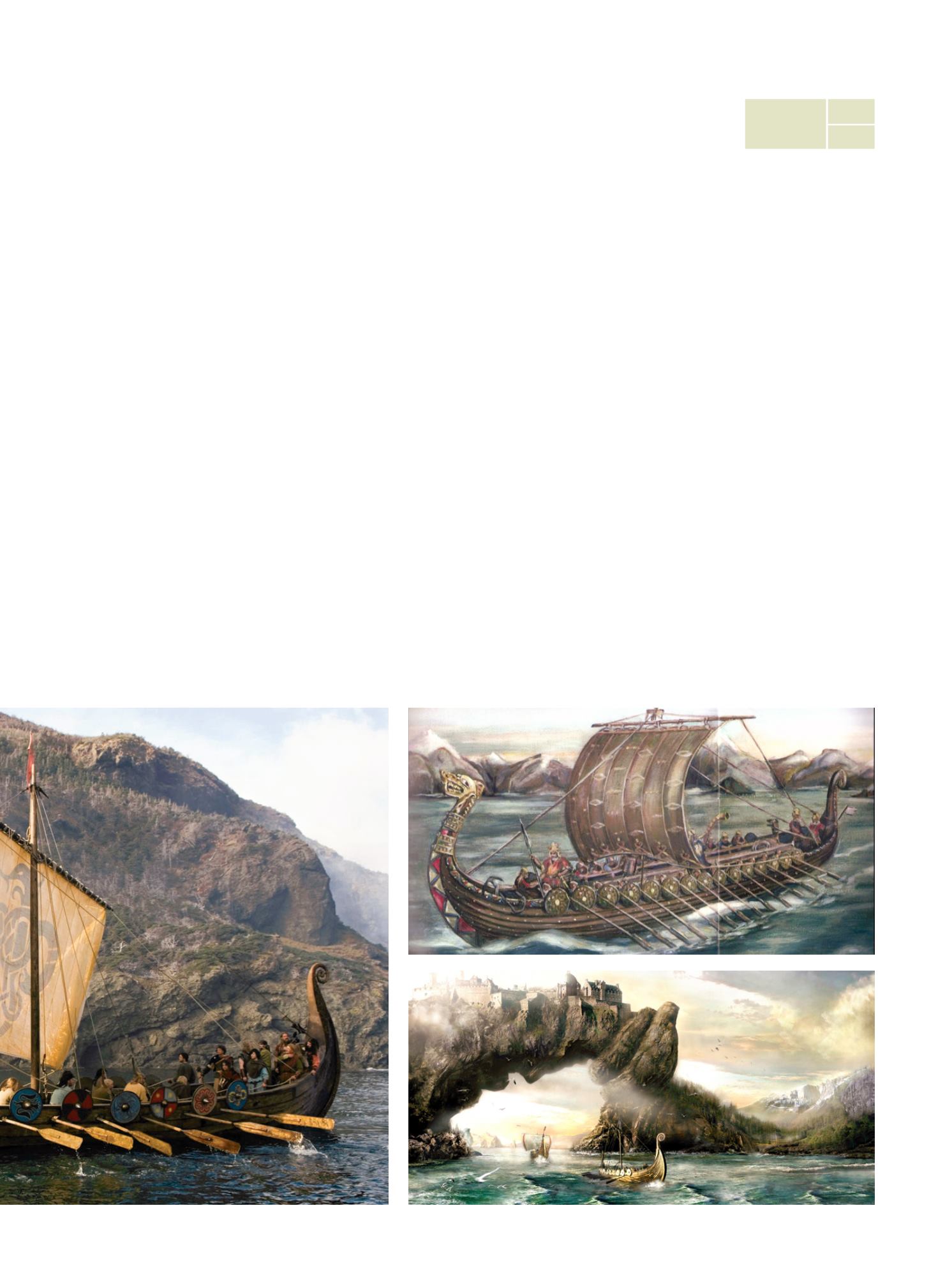
the privilege. Up north, meanwhile, the Vikings
will give a new impetus to maritime develop-
ment. Contrary to what is often thought of them,
these intrepid sailors were not only fierce raiders
of defenseless towns, but they actually preferred
trading over looting, carrying their goods on
board the Knorr, their merchant vessels. During
the High Middle Age they will undoubtedly be the
best sailors in the world, allowing them to be the
first Europeans to arrive, this time in document-
ed form, to America.
When the Vikings disappeared, their place in
commerce in northern Europe was taken by the
cities of the Hanseatic League, led by Lübeck, Ger-
many, whose economic power, derived from the
maritime trade, became significant during the late
Middle Age.
With the end of the Middle Age and the fall of
Constantinople to the Ottomans, Europeans will be
forced to leave their borders, to recover the spice
trade from China through the so-called Silk Road.
These new explorations would remain in the hands
of Portuguese and Spanish from the mid-fifteenth
to the mid-sixteenth centuries. The invention of
the Caravel, a type of ship capable of open-ocean
sailing, allowed Columbus to successfully carry
out the journey that led Europeans to establish a
permanent contact with the American world and
allowed the two Iberian countries to become the
first ones with an overseas empire.
IFrFOcia cVMtVraM •
culture and heritage
5
4
6
4.#BSDo7JLJOHo
/
Vikingvessel.
-oTWJLJOHoT
GVFSoO MoTNFKoSFT
OBWFHBOtFTEFMWJFKo
NVOEo /
TheVikingswerethe
bestsailorsintheold
world.
-oTWJLJOHoT
TFSrBODBQBDFTEF
MMFHBSBANnSJDB /
TheVikingswould
beabletocometo
America.