


 163 / 176

·amura·
161
Trazos del mundo antiguo
La ceremonia está ampliamente vinculada a tradi-
ciones propias de los egipcios, romanos y griegos.
Hoy en día, el bautizo de un barco marca una fecha
importante para sus constructores y aquel que será
su dueño, ya que es la primera vez que se pone el
navío en el mar desde su construcción, al mismo
tiempo que se le dará el nombre que llevará por
siempre. Este ritual representa la determinación de
si las decisiones tomadas respecto a su diseño son
correctas; su simbolismo es importante desde un
punto de vista práctico.
Una de las ceremonias más comunes del presen-
te consiste en romper una botella sobre la proa del
barco, marcando así su inauguración oficial.
En el mundo antiguo, esta tradición tenía una
connotación religiosa. Los griegos y romanos ponían
sus vidas en las manos de los dioses marinos, sus
sienes eran adornadas con ramas de olivo y vino tin-
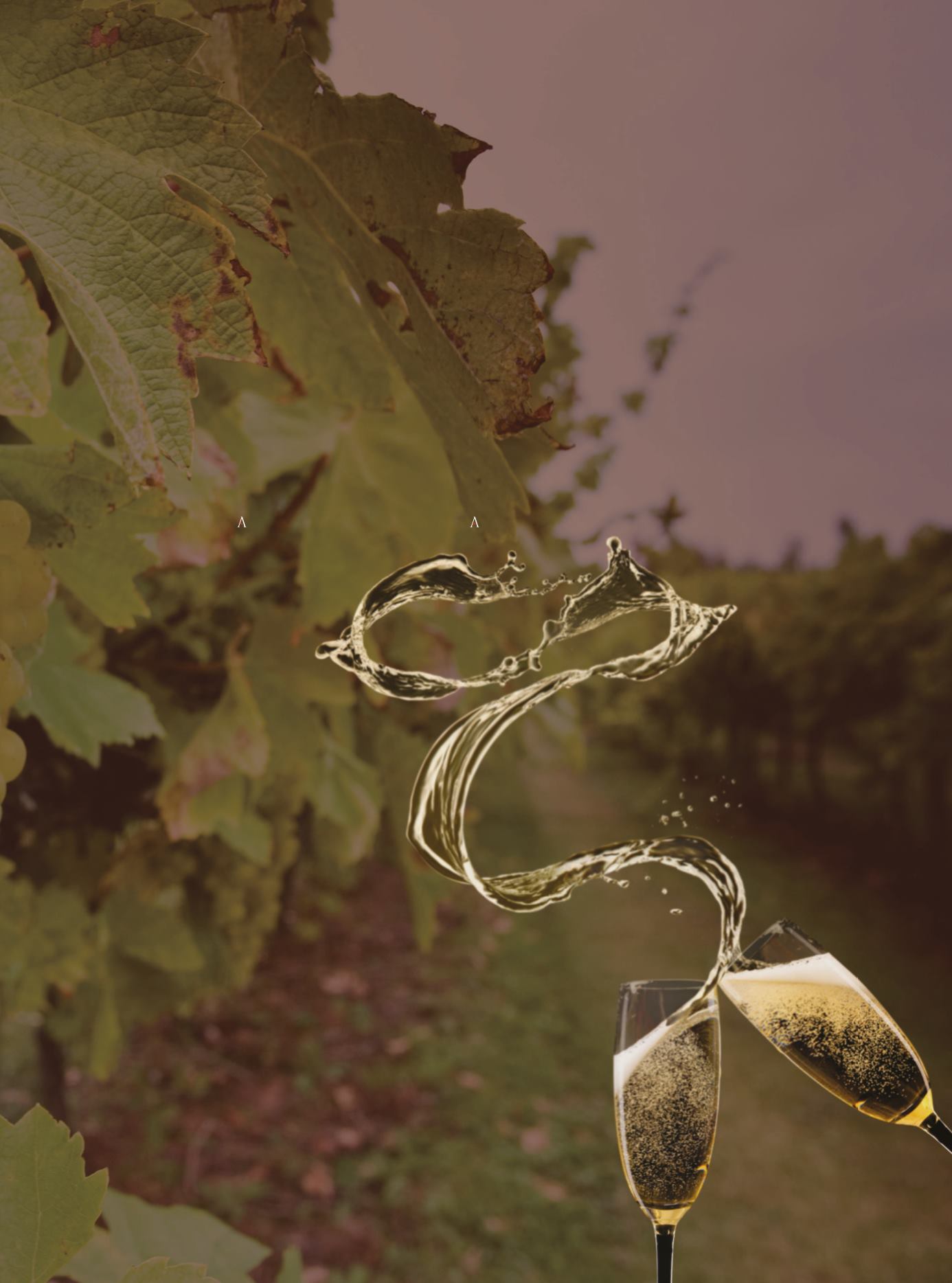
to fluía libremente; este líquido era vertido sobre el
barco a manera de bendición; esta práctica se fue in-
cluyendo en varias creencias en distintos puntos del
continente en los lanzamientos de barcos. De este
modo se contaría con la bendición y la protección de
los dioses.
Traces of the ancient world
The ceremony is widely vinculated to the rooted
traditions of the Egyptians, the Romans and the
Greeks. Nowadays, the christening of a vessel
marks an important date for its builders and own-
er; it’s the first time the ship will be set to the sea
since its construction, at the same time, the name
that it will hold forever will be given. This ritual
represents the determination of decisions made
toward its design, it says “the right choices were
made”; it’s symbolism is important from a practi-
cal point of view.
One of the most common ceremonies of the
present, consists in breaking a bottle on bow of the
ship, marking its official inauguration.
In prior time periods, this tradition had a re-
ligious connotacion. The Greeks and Romans put
their lives in the hands of the ocean Gods, their
heads were adorned with olive branches and
wine was freely given; this liquid was spilled on
the ship in a way of blessing; this practice was
included in several believes in different points
of the continent during the launches of the ves-
sels. This way, blessing and protection would be
granted by the Gods.