


 161 / 176

·amura·
159
IFrFOcia cVMtVraM •
culture and heritage
In 1939, at the start of World War II, the world
merchant fleet consisted of 30,966 vessels with
a total of 68,477,243 tons of registration. The gi-
ants of the sea, 170 vessels of over 15,000 tons,
numbered themselves alone more than 4 million
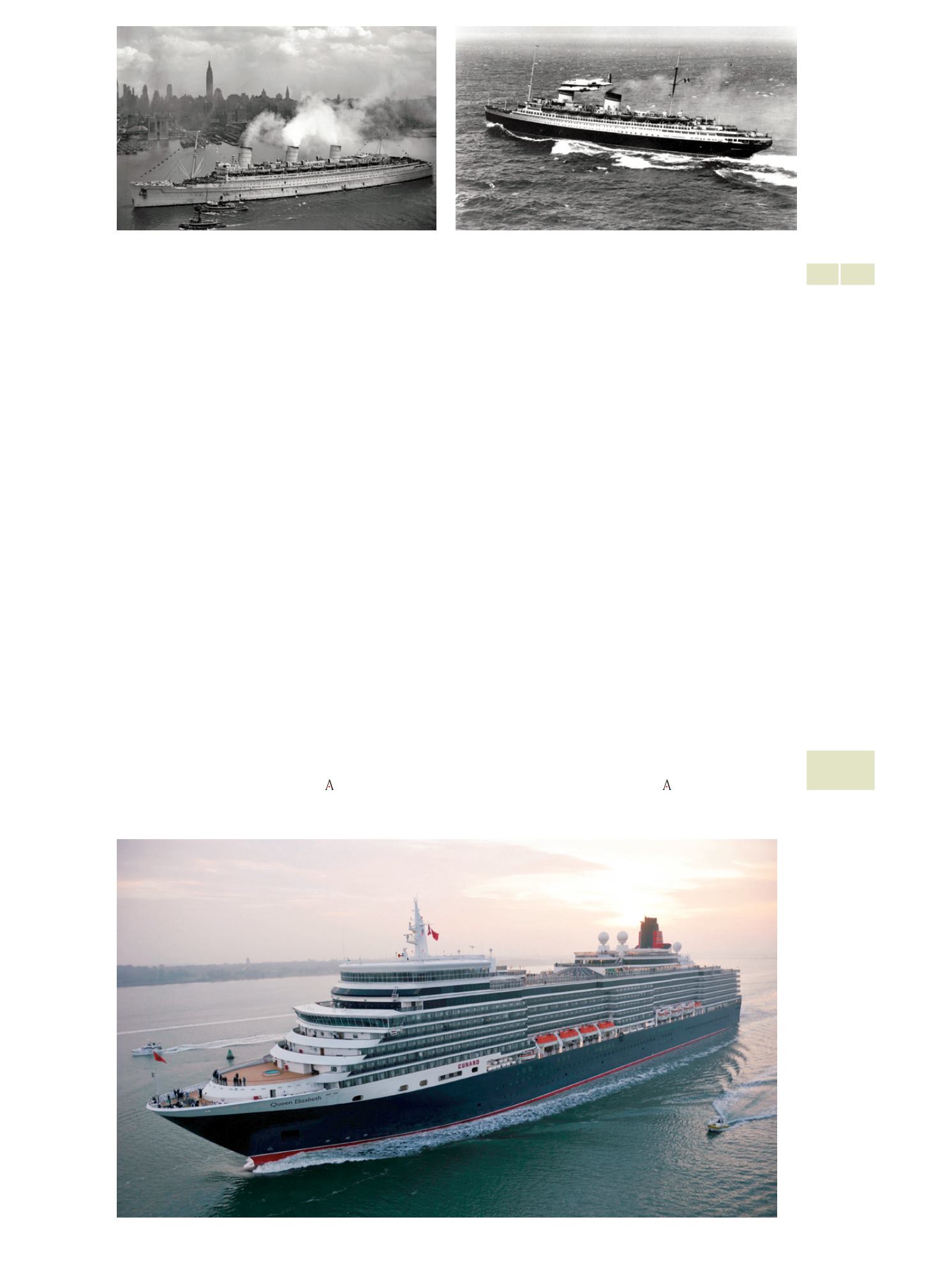
tons of registration. The largest were the Queen
Elizabeth and Queen Mary, British; the Normandie,
French; the Rex, Italian; and the Europe, German.
World War II highlighted the importance of
having a large merchant fleet. Britain managed
to stay in the war, despite being subjected to
a harsh blockade by Germany, thanks to sup-
plies that arrived by sea from the United States,
whether on their own or in American merchant
vessels. Realizing this, the German Navy, both
underwater and the surface, turned its ener-
gies to hunt down and sink the greatest possi-
ble number of merchant ships. The numbers are
simply terrifying: to 1943, 5,241 ships had sunk,
most of them merchants (including six Mexi-
can vessels). In this situation, the United States
launched the most ambitious plan in shipbuild-
ing history: the Liberty ships. Using new designs
and building methods, they managed to create
up to three ships a day, which easily compen-
sated the losses inflicted by the German U-Boats.
Currently, maritime transportation is vital
for the world’s economy, because it is respon-
sible for 90% of trading of fuels, foodstuffs and
basic materials, essential for modern life. With
ever bigger and more capable ships, the future of
the merchant marine is guaranteed.
&O
BM FNQF[BS MB 4FHVOEB (VFSSB MVOEJBM MB
NBSJOB NFSDBOtF NVOEJBM DoOTtBCB EF
VOJEB-
EFT DoO VO totBM EF
toOFMBEBT EF SFHJTtSo
-oT HJHBOtFT EFM NBS
CBSDoT EF NgT EF
toOFMBEBT TVNBCBO ToMoT NgT EF NJMMoOFT EF toOF-
MBEBT EF SFHJTtSo -oT NBZoSFT FSBO FM 2VFFO &MJ[BCFtI
Z FM 2VFFO MBSZ CSJtgOJDoT FM /oSNBOEJF GSBODnT FM
RFY JtBMJBOo Z FM &VSoQB BMFNgO
-B 4FHVOEB (VFSSB MVOEJBM QVTo EF NBOJ¬FTto MB
JNQoStBODJB EF DoOtBS DoO VOB HSBO otB NFSDBOtF (SBO
#SFtBvB MoHSw NBOtFOFSTF FO MB HVFSSB B QFTBS EF FTtBS
ToNFtJEB B VO EVSo CMoRVFo QoS QBStF EF AMFNBOJB HSB-
DJBT B MoT TVNJOJTtSoT RVF MF MMFHBCBO QoS NBS EFTEF &TtB-
EoT UOJEoT ZB GVFSBO FO TVT QSoQJoT CBSDoT NFSDBOtFT o
FO MoT EF MoT BNFSJDBOoT AM EBSTF DVFOtB EF FTto MB otB
BMFNBOB tBOto MB TVCNBSJOB DoNo MB EF TVQFS¬DJF DoO-
DFOtSB TVT FOFSHrBT FO DB[BS Z IVOEJS FM NBZoS O|NFSo EF
CBSDoT NFSDBOtFT QoTJCMFT -BT DJGSBT ToO TJNQMFNFOtF
BtFSSBEoSBT: QBSB
TF IBCrBO IVOEJEo
CBSDoT
MB NBZoSrB EF FMMoT NFSDBOtFT JODMVZFOEo TFJT CBSDoT
NFYJDBOoT AOtF FTtB TJtVBDJwO &TtBEoT UOJEoT QVTo FO
NBSDIB FM QMBO EF DoOTtSVDDJwO EF CBSDoT NgT BNCJDJoTo
EF MB IJTtoSJB: FM EF MoT CBSDoT EF tJQo -JCFStZ UtJMJ[BOEo
OVFWoT EJTFvoT EF GBCSJDBDJwO TF MMFHBSoO B DoOTtSVJS B VO
SJtNo EF tSFT CVRVFT EJBSJoT Mo RVF DoNQFOTw DoO DSFDFT
MBT QnSEJEBT DBVTBEBT QoS MoT TVCNBSJOoT BMFNBOFT AD-
tVBMNFOtF FM tSBOTQoStF NBSrtJNo FT WJtBM QBSB MB FDoOo-
NrBNVOEJBM FT FM SFTQoOTBCMF EFM tSBOTQoStF EFM
EFM
DoNFSDJo RVF QSoQoSDJoOB MoT DoNCVTtJCMFT BMJNFOtoT Z
NBtFSJBT QSJNBT QBSB MB WJEB NoEFSOB $oO CBSDoT DBEB
WF[ NgT HSBOEFT Z DoO NBZoS DBQBDJEBE EF DBSHB FM GV-
tVSo EF MBNBSJOBNFSDBOtF FTtg TJO EVEB BTFHVSBEo
11
12
&M MFHFOEBSJo
CBSDoCSJtgOJDo2VFFO
MBSZ /
Thelegendary
BritishshipQueen
Mary.
RFY VOBHSBO
FNCBSDBDJwO JtBMJBOB /
Rex,agreatItalian
ship.
M42VFFO
&MJ[BCFtI EF$VOBSE
FOIoOoSBMCBSDoEF MB
MBSJOBRFBM /
MSQueenElizabeth,
byCunard,afterthe
shipoftheRoyal
Navy..