



 58 / 176

·amura·
56
coNQáT iOt • iOt coNQaTT
7
Ninguna otra ciudad dentro de los Estados Uni-
dos ha evolucionado con tantas identidades en tan
poco tiempo cómo lo ha hecho Miami. Hace apenas
100 años, este establecimiento español, localiza-
do a los lados del río de Miami que se vierte a la
Bahía Biscayne -actualmente el centro de Miami-,
no contaba con atracciones, intereses o población.
Este hecho era entendible, ya que la única forma
de llegar a Miami era por barco. Esto cambió en
DVBOEo FM GJOBODJFSo )FOSZ FMBHFS FYtFOEJw
TV OVFWB DoNQBvrB GFSSoWJBSJB FMoSJEB &BTt $oBTt
-B DJVEBE EF MJBNJ TF BTJFOtB FO FMoSJEB DoTtB GVFSB
-a un lado del Atlántico- se encuentra una barrera de is-
las; lamás septentrional se llama CayoBiscayne, a su lado,
NgT BM OoStF TF FODVFOtSB $BZo 7JSHJOJB MVFHo FJTIFS *T-
No other city within the United States has
evolved with so many identities in such a short
time as Miami. Only 100 years ago, this Spanish
settlement, located to the side of the Miami River
that pours into Biscayne Bay - currently downtown
Miami-, didn’t count with any attractions, interests
or population. This way was understandable, due
to the fact that the only of reaching this land was
by ship. This changed in 1896, when the economist
Henry Flager extended his new railway company,
Florida East Coast.
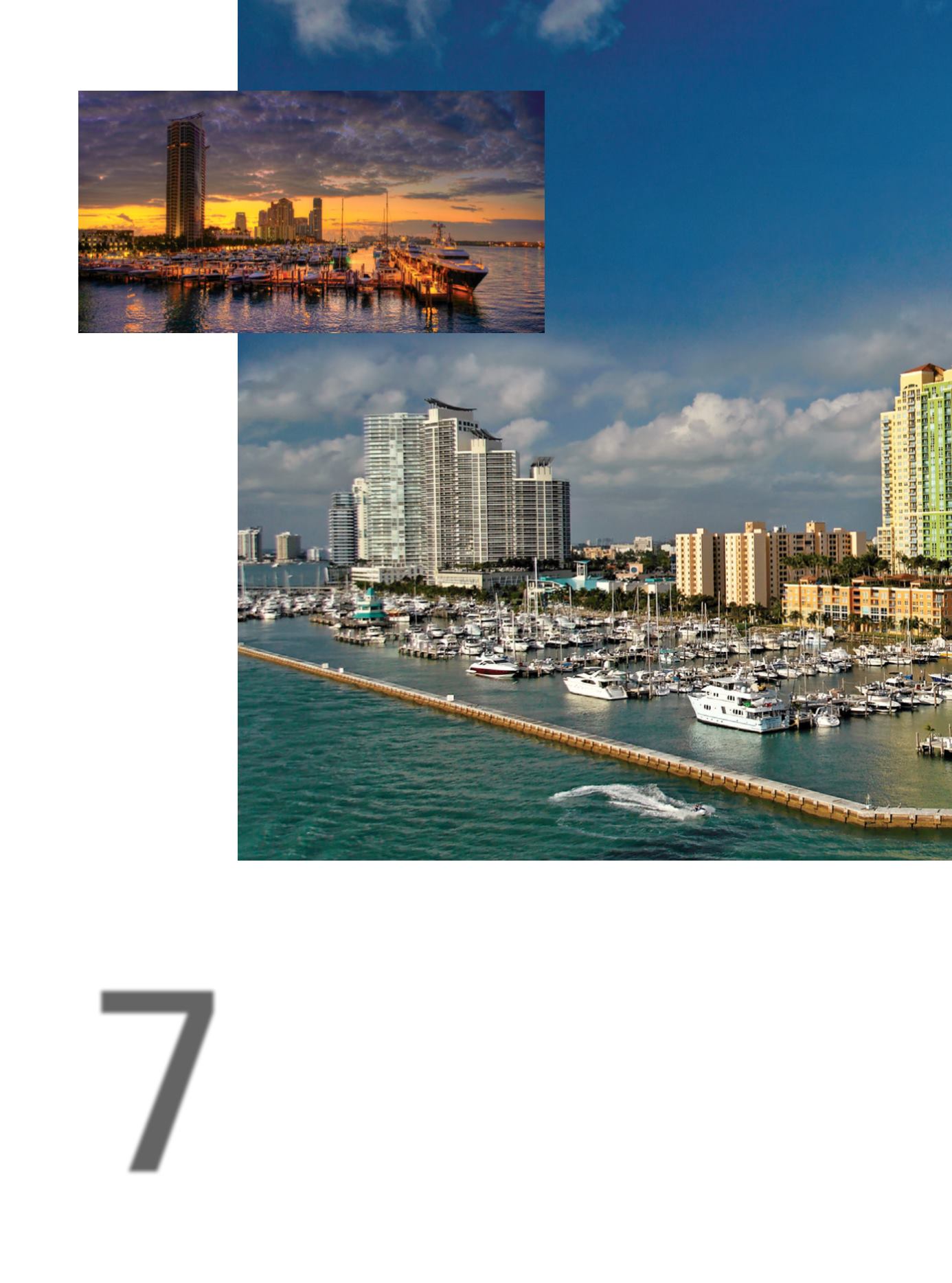
The city of Miami sits in Florida; out of the
coast -where an island barrier, which is the most
southern point of Biscayne Key, Virginia Key,
Fisher Island and Miami Beach-. The body of wa-
MIAMI
FMoSJEB