113
catadores •
tasters
·amura·
quality.Toachieveitisnecessarythattheviticulturistis
focused in improving the quality of the fruit. This is
done by removing some bunches of the vineyard, to
focus and concentrate the nutrients of the ground, in
the fruit. It is also very important the vineyards age and
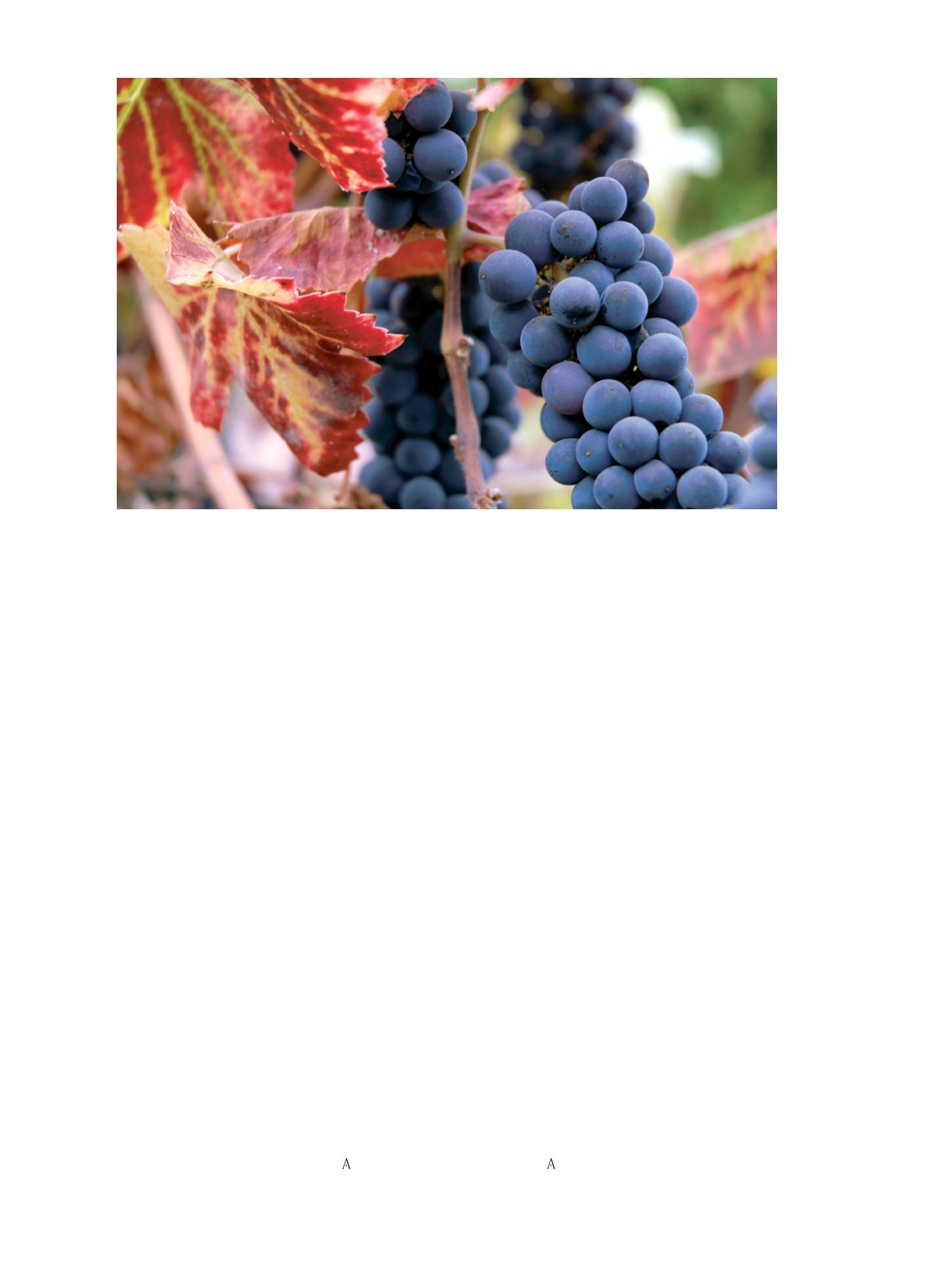
of course the oenologist’s palate. Each grape reflects a
little of the character of where it comes from.
The Mexican wines
In Mexico, unlike many countries of the “New World”,
the wines have a great quality job. They dedicate to
make great wines. They are not somuch interested in a
massive production. Its approach is the quality. There
is a great job done in all senses, Mouflet pointed out.
Suchas the careput inthe choiceof thebottle, theartis-
tic creation in the label. Its French kind wine produc-
tion, respects the time in the casks andall the assembly
stages. Theyaremaking it. Theyaremakingproducts of
excellent quality. I have tomentionHugo D’Acostawho
advised many Mexican wineries (Adobe de Guadalupe,
Paralelo and obviously the Casa de Piedra) and promo-
ted the viticulture in this country. The wine consump-
tion inMexico is increasing.
The classic wines are being replaced
The people know best and recognize better the wines
that respond toapersonal taste. Theydonot drinkwine
just to keep on a tradition, they do it because they like
to. The old world was left behind in the international
consumption because of their whim to impose their
wines, without paying any attention to the consumer’s
palate. The new world started to produce wines easier
to drink. The classics were over-confident and did not
give any importance to the advertising. Actually, a
wine labeled with a giraffe sells more, than one labeled
with the typical castle that grandpaused to. Since a few
years ago, there are some efforts done to increase the
sell. The great Châteaux are producing accessiblewines
and are beginning to grow in this aspect.
* Interview to Damian Mouflet Manager of Zona Ferrer.
la uva. Para lograrlo es necesario que el vitivinicultor
se enfoque en mejorar la calidad del fruto. Esto se
logra eliminando algunos racimos de la viña, para
enfocar y concentrar los nutrientes de la tierra, en la
fruta. También es importante la edad de la viña y por
supuesto el paladar del enólogo. Cada uva refleja un
poquito el carácter de dónde viene.
Los vinos mexicanos
En México, a diferencia de muchos países del “Nuevo
Mundo”, los vinos tienen un gran trabajo de calidad. Se
dedican a hacer grandes vinos. No les interesa tanto
una producción masiva. Su enfoque, es la calidad. Hay
un gran trabajo en todos los sentidos, señala Mouflet.
La elección de la botella, la creación artística en la eti-
queta. Su elaboración de vino tipo francés, respeta los
tiempos en barrica y todas las etapas del ensamblaje. Lo
están logrando. Están haciendo productos de excelente
calidad. Tengo que mencionar a Hugo D’Acosta quien
asesoró muchas bodegas mexicanas (Adobe de
Guadalupe, Paralelo y obviamente la Casa de Piedra) e
impulsó la vitivinicultura en este país. El consumo del
vino en México esta creciendo.
Los vinos clásicos esta siendo reemplazados
La gente sabemás y reconocemejor a los vinos que res-
ponden a un gusto personal. Ya no toman vino por
seguir una tradición, sino porque les gusta. El viejo
mundo se quedó atrás en el consumo internacional por
haber querido imponer sus vinos, sin tomar en cuenta
el paladar del consumidor. El nuevo mundo empezó a
hacer vinosmás fáciles de tomar. Los clásicos se confia-
ron y no le dieron importancia a la publicidad.
Actualmente vende más un vino etiquetado con una
jirafa, que uno rotulado con el típico castillo que acos-
tumbraba el abuelo. Desde hace un par de años, hacen
esfuerzos para aumentar la venta. Los grandes
Châteaux están haciendo vinos accesibles y empiezan a
crecer en ese aspecto.
* Entrevista a Damian Mouflet Gerente de Zona Ferrer.


