·amura·
112
gourmet •
gourmet
En Les Margots (París, 1812), se veía a los surrealis-
tas Picasso, Buñuel, Paul Klee, André Bretón y parroquia-
nos con deseos de ver a las celebridades del momento o
tomar un buen café en una esquina muy agradable de
Saint Germain-des-Prés, en el Sixième.
Carlos Mérida, muralista y escultor guatemalte-
co compañero de Orozco, Rivera y Siqueiros, narró
poco antes de su muerte (1983) que sus padres lo
mandaron a estudiar a París, pero se volvió artista
bajo la influencia de Picasso, Miró y Klée. “¿Qué iba
a estudiar en París, maestro?” – No recuerdo, inge-
niería o leyes, no sé. Pero ellos me enseñaron a pin-
tar-. Héctor Cervera, el entrevistador, le preguntó si
le instruyeron en las técnicas del color,
…
-No, no.
Nunca hablamos de pintura. Nos juntábamos en un
café a fumar opio y beber ajenjo hasta la madruga-
da. Así aprendí a pintar.
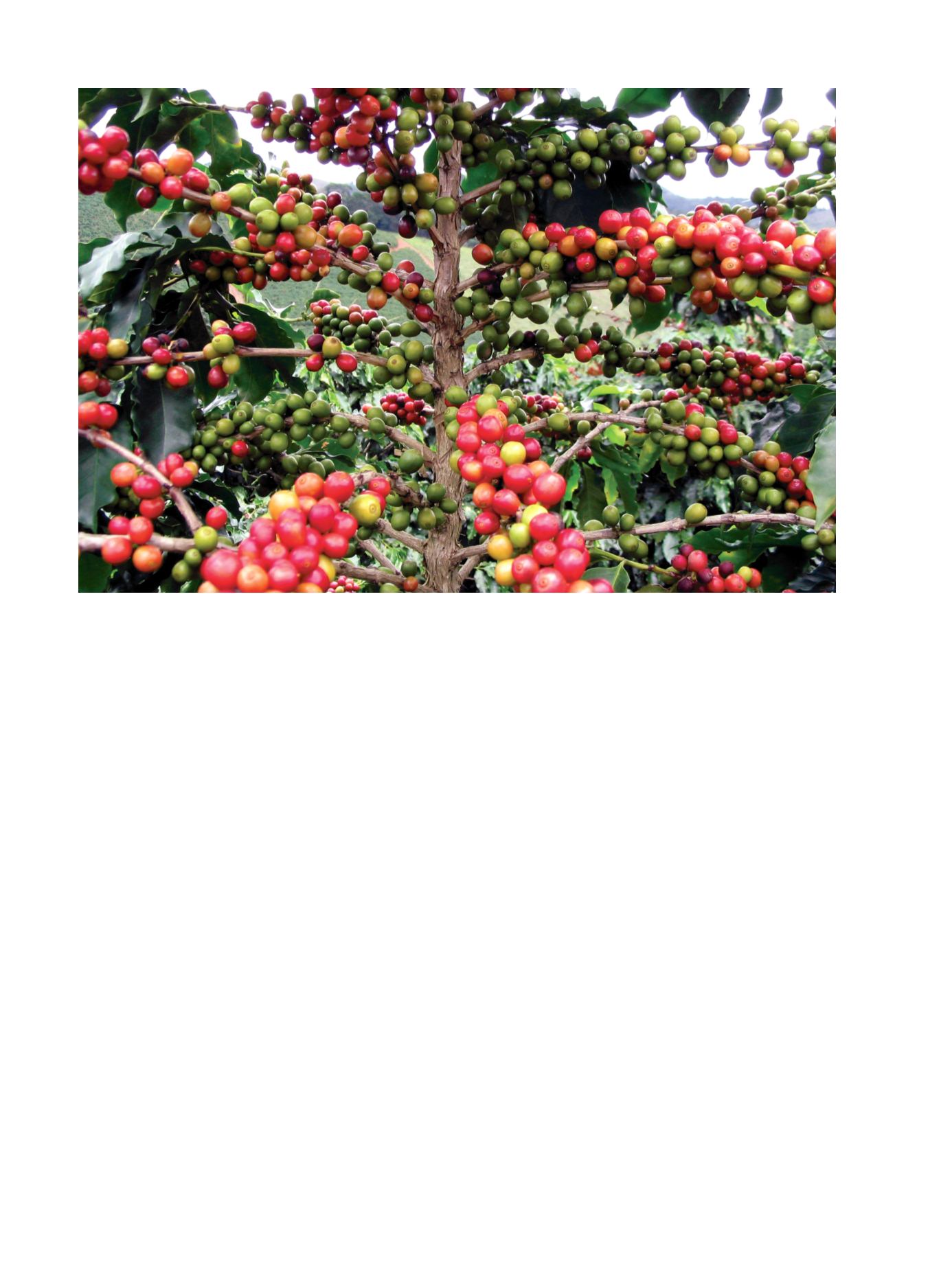
¿Por qué en torno al café se crean ambientes
significativos? No hay una explicación demostra-
ble, pero sí una historia. Cuenta la leyenda que las
cabras de un pastor de Abisinia comieron un fruto
silvestre desconocido para él, y comenzaron a sal-
tar llenas de energía. Cuando él las probó, curioso,
el resultado fue el mismo, así que llevó algunas
semillas a un monasterio del rumbo y platicó a los
religiosos su experiencia. El fruto les supo tan mal
que arrojaron todos los granos a una hoguera. Y fue
entonces cuando su aroma cautivó a todos los pre-
sentes; los monjes decidieron hacer algo con ese
hallazgo, y poco a poco encontraron cómo preparar
café en infusión. Se popularizó primero en los paí-
ses de origen; la extensión de su aceptación generó
un mercado internacional, y los inversionistas si-
guen el precio del café como el del oro o el del pe-
tróleo, dado el valor de su mercado mundial.
At Les Margots (Paris, 1812), one could see the
surrealists Picasso, Buñuel, Paul Klee, André Breton
with the parishioners wanting to see the celebrities
of the moment or take a coffee in a nice corner of
Saint Germain-des-Prés, in the “Sixième”.
Carlos Merida, the Guatemalanmuralist and sculp-
tor who was partner with Orozco, Rivera and Siqueiros,
narrated shortly before his death (1983) that his par-
ents sent him to study in Paris and then he became
an artist under the influence of Picasso, Miro and Klee.
“What were you going to study in Paris, Master?” - I do
not remember, engineering or law, I don’t know. They
taughtme how to paint . Hector Cervera, the interview-
er, askedMerida if he learnedcolor techniques fromthe
masters, ... -No, no…Wenever talkedabout painting.We
gatheredtogetheratthecafetosmokeopiumanddrink
until dawn. That ishowI learned topaint.
Why does coffee creates such significant envi-
ronments? There is no demonstrable explanation,
but there is a story. Legend says that the goats of
a herder in Abyssinia ate a wild fruit unknown to
him, the goats began jumping full with energy. He
was curious and tried the fruit himself, the result
was the same. He took some of those seeds to a
monastery and talked to monks about his experi-
ence. The fruit tasted so bad, that they threw all
grains to a bonfire. It was then when the aroma
captivated everyone. The monks decided to do
something with the finding, and gradually, found
a way to make an infusion with the seeds of coffee.
The product became popular first in the countries
of origin, the extent of acceptance generated an in-
ternational market, and now, investors follow the
price of coffee, as they follow gold or oil, given its
value in the world market.


