·amura·
121
personajes •
characters
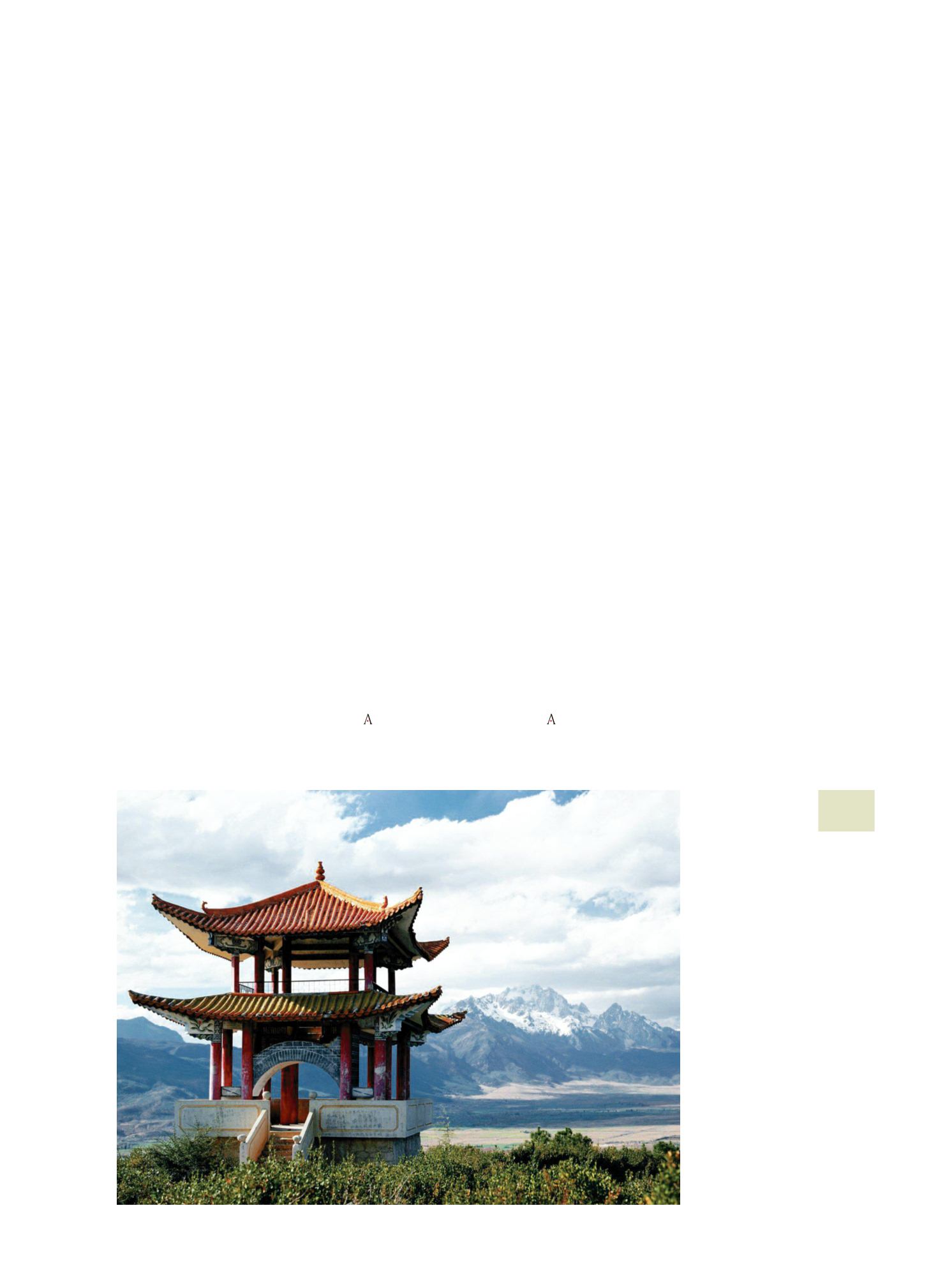
5. Valle y montañas
de Yunnan, China.
/ Valley and
mountains in
Yunnan, China.
Taoísmo
Más allá de una religión, el Taoísmo es una filosofía
mística y una forma de vida. Es la propuesta de abra-
zar el yo interno y llegar a tocar las fibras que compo-
nen lo más interior del ser humano. Considera al Tao
como la fundación profunda de todo, asumiendo in-
cluso la existencia del mal. Esta visión es compartida
por el Kybalión, documento del Siglo XIX que resume
las enseñanzas del alquimista Hermes Trimegisto del
Egipto faraónico.
La filosofía plasmada en las páginas del Tao Te
Ching representa el todo; y el tesoro de los que as-
piran al Tao, la auto-realización espiritual, es uno de
los objetivos que busca esta escuela. Algunos de sus
preceptos establecen las siguientes ideas:
•El Tao es omnipotente, se encuentra en todos lados.
•Sólo quien se libera de las pasiones terrenales puede
verlo y sentirlo.
•La no exaltación personal.
•El sabio prefiere la no acción y semantiene en el silencio.
• Si no se ostentan las pasiones, no habrá tentaciones.
• La materia es desapasionada de las cosas, criaturas y
cualquier cosa existente en la tierra y el cielo.
• Él es sobre todo lo material que existe.
• El cielo y la tierra son duraderos, fueron creados por el
Tao y existen para él.
Lao Tse logró la auto-realización mediante la
comprensión de que el Tao y su creación son uno
mismo y son sagrados. Dejó escrito que lo primordial
es la no exaltación del ser humano, que el silencio es
lo que le hace grande; que el Tao ve la esencia, no el
exterior. La armonía entre corazón, mente y cuerpo
enaltece la espiritualidad del ser... y siempre predicó
con el ejemplo.
Con el tiempo Confucio, tal vez el pensador más
conocido de la China antigua, se desarrolló bajo la
guía y la sabiduría de Lao Tse: “El sabio no enseña con
palabras, sino con actos”.
5
Taoism
Beyond religion, Taoism is a mystical philoso-
phy and a way of life. It is the proposal to embrace
your inner self and get in touch with the fibers that
make up the innermost of a human being. Taoism
considers Tao as the deep foundation of everything,
even assuming the existence of evil. This view is
shared by the Kybalion, the nineteenth century doc-
ument that summarizes the teachings of Hermes
Trismegistus, the alchemist of Pharaonic Egypt.
The philosophy reflected in the pages of the
Tao Te Ching represent the whole, and the treasure
of those seeking Tao. The spiritual self-realization
is one of the objectives sought in these teachings.
Some of its precepts establish the following ideas:
• Tao is omnipotent, it is everywhere.
• Only those who are liberated from earthly passions
can see and feel.
• Non personal exaltation.
•Wise people prefer inaction and keep silence.
•Ifyoudonotdisplaypassions,therewillbenotemptations.
• Matter is dispassionate of material things, of crea-
tures and of anything existing in the earth and in heaven.
•He is above all thematerial that exists
•Heaven and earth are durable, were created by The Tao
and they exist for him.
Lao Tse achieved self-realization by under-
standing that the Tao and his creation are one self
and are sacred. He wrote that the primary goal is
the not exaltation of human being, that silence
is what makes people great, that Tao sees the es-
sence, and not the exterior. The harmony between
heart, mind and body enhances the spirituality of
human being ... and he always led by example.
Eventually, Confucius, perhaps the most fa-
mous philosopher of ancient China, evolved under
the guidance and wisdomof Lao Tse. “The wiseman
does not teach with words but with actions.”


