compás int • int compass
Beirut: La ciudad que se ha negado a morir
La capital de Líbano, sede de la Escuela de Derecho
en el imperio romano, es una urbe bulliciosa que por
siglos ha sido fuente inagotable para turistas, histo-
riadores y arqueólogos. Conserva vestigios de la era
fenicia y se han rescatado huellas romanas y de otras
culturas, anteriores y posteriores a la Edad de Bron-
ce. Fue fundada sobre un promontorio pedregoso en
el centro de la franja costera, llegando a ser la capital
del país bajo el Mandato francés dado por la Liga de
las Naciones.
El Aeropuerto Internacional de Beirut tiene una
actividad ininterrumpida, recibiendo a miles de turis-
tas que llegan en las aeronaves de Middle East Airlines
y de las principales líneas aéreas internacionales.
Beirut: The city that has refused to die
The capital of Lebanon, headquarters to the Law
School of the Roman Empire, is a loud major city that
centuries has been unquenchable for tourists, histo-
rians and archaeologists. It conserves several remains
of the Phoenician era and several prints of the Roman
civilization have been save, as well as from other cul-
tures. prior and posterior to the Bronze Age. It was
founded over a stony patrimony in the center of the
shore line branch, becoming the capital of the country
under the French regime givenby theNations League.
The International Beirut Airport has an unin-
terrupted activity, receiving thousand of tourist
that arrive by air to the Middle East Airlines and the
main international airlines.
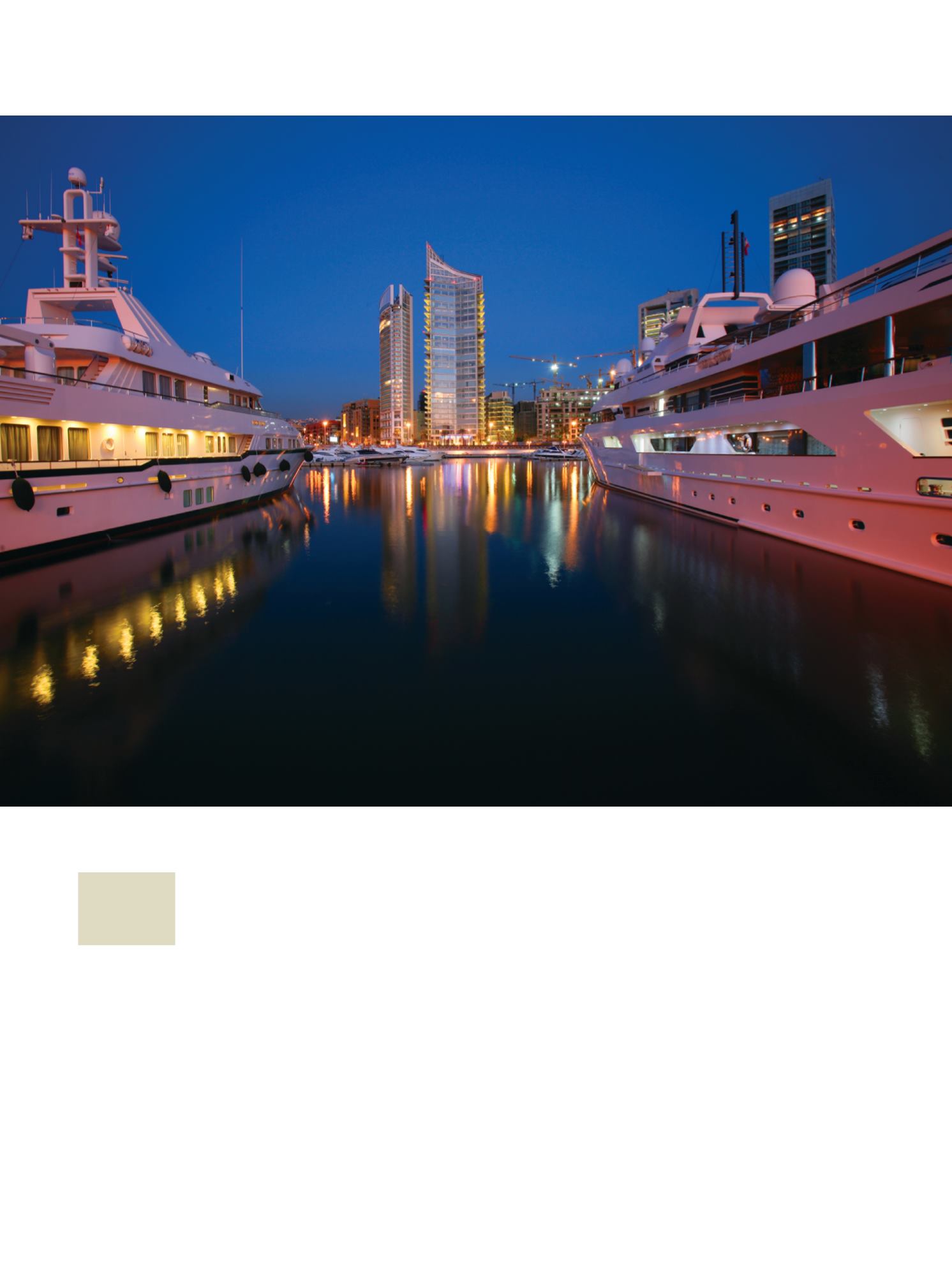
15. Beirut, fuente
ingotable para tu-
ristas, arqueologos
e historiadores.
/
Beirut´
, unquench-
able for tourists,
archaeologists and
historians.
15
·amura·
36


