·amura·
36
compás int • int compass
1.Gardensbythebay
captura laescenciade
Singapur./
Gardensby
thebaycapturesthe
escenceofSingapore.
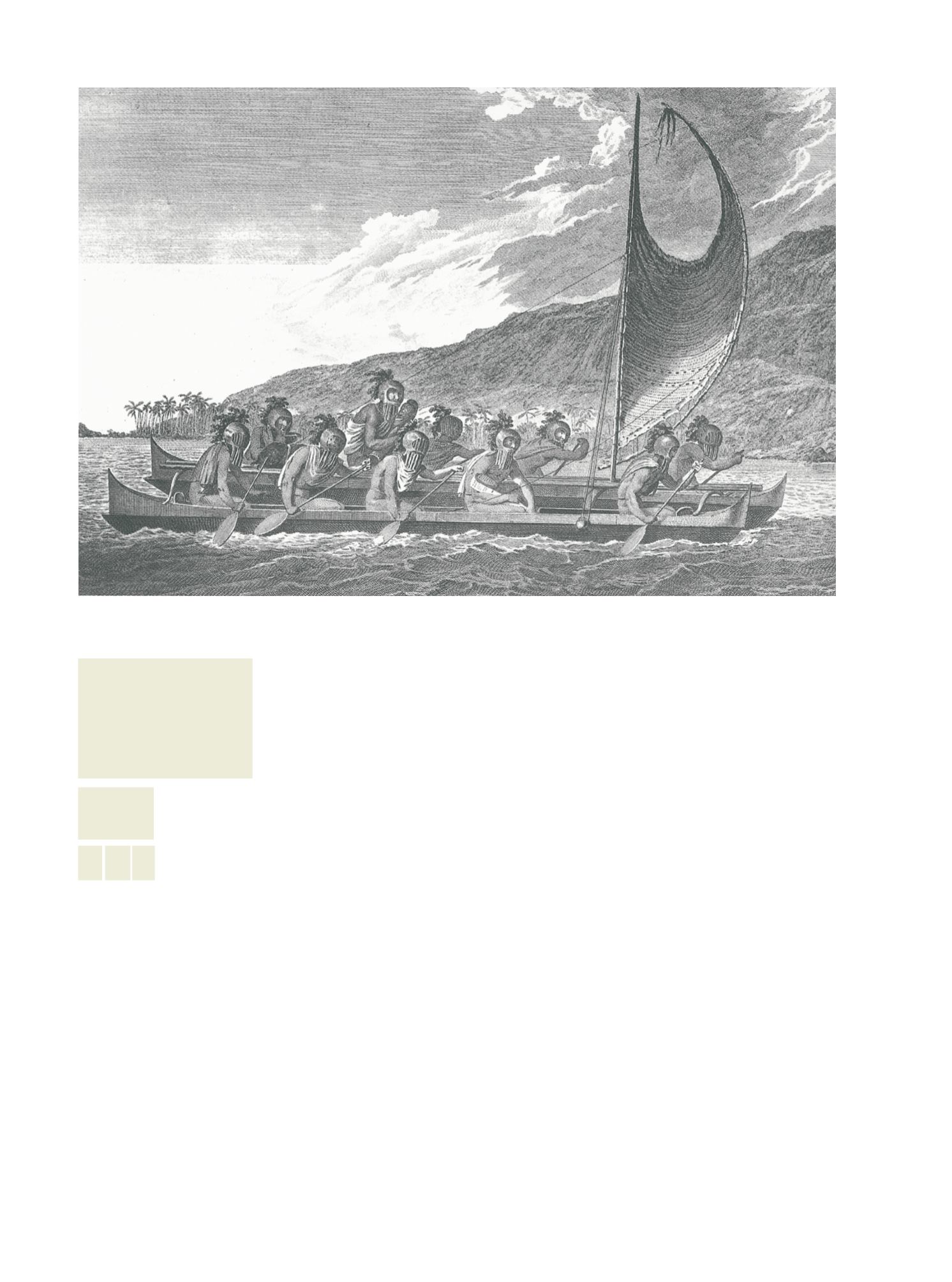
2.Losprimeros
pobladoresdeSingapur
eranoriginariosde la
sociedadmalaya-
polinesia./
Thefirst
settlersofSingapore
wereoriginating
intheMalaysian-
Polynesiansociety.
3.SirThomasStamford
Rafflesestableceen
Singapurunpuerto
comercial./
SirThomas
StamfordRaffles
establishedSingapore
asatradingport.
4y5.Fueron
inspiradoresde
labúsquedade la
independenciade
Singapur./
Theywere
inspiringinthesearch
fortheindependence
ofSingapore.
D
el buen presagio nace esta nación
del sureste asiático asentada sobre
un pequeño archipiélago, de paisaje
selvático en el que se aloja una rica
variedad de orquídeas, la flor de la
identidad singapurense.
El nombre de Singapur se le debe al rajá Sang Nila
Utama, quien al desembarcar miró a la distancia un
animal fantástico que le pareció un león. La revelación
lo invitó a quedarse en la isla, la que denominó con las
palabras Singa-pura, que significan Ciudad del León.
El animal simbólico es parte del mito fundacional
de la sociedad primitiva malaya-polinesia, pueblo mi-
lenario de los primeros habitantes de Singapur. Se les
dice en la actualidad los “Tigres asiáticos” a los países
de Singapur, Corea del Sur, Hong Kong y Taiwán, por
la potencialidad y dinámica industrial-comercial, que
comparten espacio y relaciones China, India y Japón,
que domina amplias franjas del mercado automotriz,
de maquinaria marina, telecomunicaciones e instru-
mentos de navegación.
Imperios, cuya implantación cesó con la derrota de Ja-
pón y con la independencia de los singapurenses de Ingla-
terra, que desde entonces emprendieron el viaje, siendo
ellos mismos -otra vez- quienes guían su nave en la his-
toriamoderna, enmedio demares calmos y tormentosos.
T
he good omen born this Southeast Asian
nationsittingonasmallarchipelago,which
seen from space shows points of a nebula
that emerges from the deep waters of the
Pacific. Jungle landscape in which a rich
varietyof orchids, is theflower of Singaporean identity.
The name of Singapore is referred to a relative of
Alexander the Great, Sang Nila Utama raja, who upon
landing looked in the distance a fantastic animal that
seemed a lion. The revelation invited him to stay in
the island, which he named with the words Singa-pu-
ra, meaning City of the Lion.
The symbolic animal is part of the foundingmyth
of the malaya-polinesia primitive society, ancient
town of the first navigators to inhabit Singapore. It
currently says “Asian Tigers” to Singapore, Korea of
the South, Hong Kong and Taiwan, by the potential
and industrial-commercial dynamics, which share
space and relationswith China, India and Japan, broad
swaths of the automotive market, machinery marine,
telecommunications andnavigation instruments.
Empires, whose implementation ceased with the
defeat of Japan and the independence of Singapor-
eans inEngland, whichsince thenundertook the jour-
ney, being themselves -again- who guided his ship in
themodernhistory, amid calmand stormy seas.
1
2
3 4 5
Foto / Photo: K SKYE X / PXZARD / ERWINSOO / FRANKM / BRIAN LEE / WILLIAMCHO / WESSBON / ILOEV / WESNB / GUOWENWANG


