·amura·
132
conservancy •
conservación
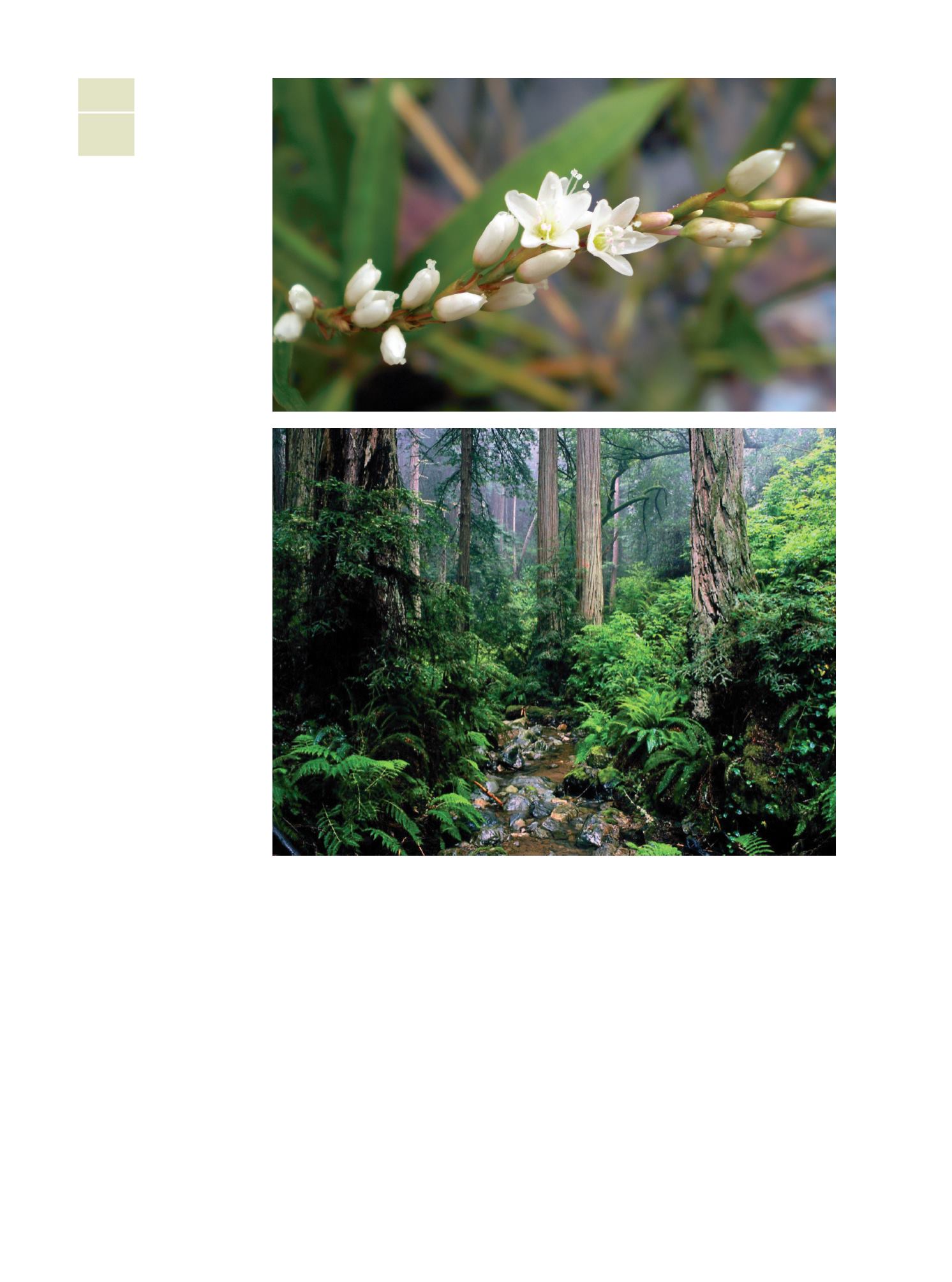
14.Polygonaceae
Amazónica.
/
Polygo-
nacae Amazonica.
15. Losárbolesson
increíblemente
numerososycubren
granpartede latierra,
hayvariasdiferencias
entreellos. /
The
trees are numerous
and cover great part
of the land, they are
several differences.
amongst them.
14
15
De acuerdo a investigadores y entomólogos, en
el mundo hay alrededor de treinta millones de espe-
cies identificadas de insectos. Hoy sabemos que un
tercio de ellos se encuentran aquí. Se han identificado
el género y la especie de unas treinta mil plantas, sin
embargo se estima que existen entre cinco y treinta
millones de vegetales diferentes. Hay hojas que llegan
a los 2.5 metros de longitud por un metro de ancho,
como lo son las del género de las Poligonaceas.
Gonzalo Fernández de Oviedo y Valdés, en su cró-
nica de la Historia del Mundo Nuevo, relata:
“Los árboles de estas Indias son increíblemente
numerosos y cubren muchas partes de la tierra; hay
tales diferencias entre ellos, ya sea por sus dimen-
siones, ya sea por sus troncos, ramas y corteza y
…
por los frutos y las flores, que ni siquiera los indios
los conocen
…
.A veces el que se mete bosque aden-
tro no alcanza a ver el cielo (de tan altos que son los
árboles y tan densa su enramada)
…
”
According to researchers and etomologists,
around the world point out they are at least 30
million unidentified species of insects. Today we
know that a third of them is located here. Over
30,000 new species of plants have been recorded,
however it is estimated that between five and
30 million different vegetables exist. Leafs that
reach the 2.5 m of longitude by 1 m of width such
as the Poligonceas type.
Gonzalo Férnandez de Oviedo y Valdés, in his
chronicle History of the newworld:
“The trees in these Indies are plenty and
much of the land is covered by them; there is
such difference between them, due to its dimen-
sions, logs, branches and barks…the fruits and
flowers, that not even the Indians know…Some-
times, if you wander into the forest you cannot
see the sky (the trees are so tall and the foliage
is so dense).”


