38
·amura·
Key West
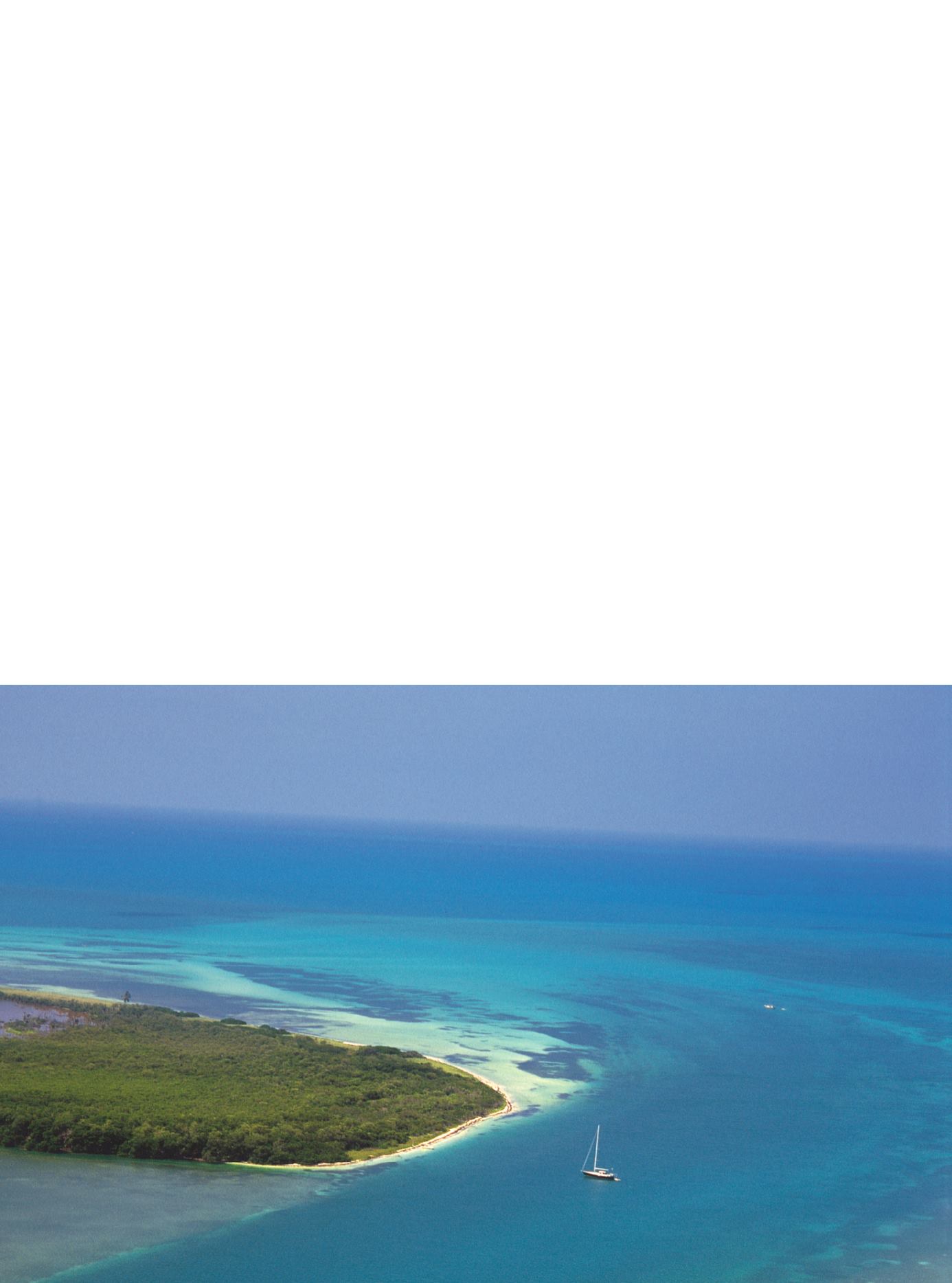
Key West conserva su atmósfera romántica surgida del
pasado. Es una invitación a pasear por sus calles som-
breadas, donde desborda la vegetación tropical, y des-
cubrir sus antiguas casas de madera, tan singulares por
sus terrazas o columnas o sus ventanas o los colores vi-
vos que las destacan.
Más cerca de Cuba (90 millas) que de Miami (150 mi-
llas), KeyWest fue colonizada en 1822. En ese entonces la
gente vivía del negocio de rescatar los barcos encallados
y apropiarse de sus mercancías. De ese modo se volvió
una verdadera industria, y a mitad del siglo XIX Key West
era una de las ciudades más ricas de Estados Unidos.
De este modo se fue desarrollando con el esplen-
dor propio del lugar, las bellas casas se levantaron con
elegancia y con el tiempo, se instalaron varios cubanos
y la colonia griega contribuyó a la prosperidad de la is-
la. No obstante, la depresión agotó la isla, aunque aho-
ra surge de nuevo como uno de los mejores destinos
turísticos.
La gente es encantadora, relajada, y se hacen llamar
“conchs” para diferenciarse de los turistas o de la gente
originaria de otras partes. Duval Street es la calle de las
tiendas, los bares y los restaurantes. Paradas obligadas
son: Sloppy Joe’s con su música en vivo y su ambiente
de otros tiempos, Captain Tony’s Saloon (original
Sloppy Joe’s, donde Hemingway conoció a la que fue su
tercera esposa) y Hog’s Breath Saloon. Cada uno escoge
su ambiente, su comida favorita y donde sea, la velada
es un éxito.
Al final de Duval Street encontramos el “Southern-
mostpoint”, el punto más sureño de Estados Unidos,
con las bellas mansiones que se instalaron a la orilla
del mar. La casa de Ernest Hemingway conserva el se-
creto encanto del escritor que aquí pasó varios años
Key West
KeyWest preserves its romantic ambiance reminiscent
of days gone by and it invites you to take a stroll along
its shady streets filled with tropical foliage and discov-
er ancient wood houses, with unique terraces, columns
and windows, painted in vivid, distinctive colors.
Closer to Cuba (90 miles) than to Miami (150
miles), Key West was colonized in 1822. In those long
ago days people made a living from rescuing ship-
wrecks and keeping their cargo. In this way it became
a genuine industry and, in themiddle of the 19th cen-
tury, Key West was one of the wealthiest cities in the
United States.
It developed a unique splendor and stunning, ele-
gant houses were built. As time went by, several
Cubans and a Greek community established them-
selves on Key West and they all contributed to the
island’s prosperity. Even so, the Great Depression dev-
astated the island though it now emerges as one of
the best tourism destinations.
Thepeople are charmingand relaxedandareknown
as “conchs” to differentiate them from tourists or peo-
ple originally from other places. Duval is the street of
shops, bars and restaurants. Obligatory stops are
Sloppy Joe’s, with live music and an ambiance of days
gone by; Captain Tony’s Saloon (the original Sloppy
Joe’s, where Hemingway met his third wife) and Hogs
Breath Saloon. Everyone chooses a different ambiance
and favorite dishes and, wherever it is, the evening will
be a huge success. At the end of Duval Street is where
the “southernmost point” is located. As its name
implies, this is the southernmost city of the United
States and has gorgeous mansions built on the edge
of the sea. Ernest Hemingway’s house preserves the
enchanting secrets of the author who spent many


